How to Answer ‘Tell Me About Yourself’ in an Interview: The 2026 Formula
“Tell me about yourself” is the most common—and most important—interview question in 2026. It’s not an icebreaker; it’s your first opportunity to frame the entire conversation, demonstrate strategic thinking, and show why you’re the ideal candidate. This guide provides a modern, research-backed formula for crafting a compelling answer that works across industries and experience levels.
Why This Question Matters More Than Ever
In 2026 interviews, hiring managers use your response to assess:
- Communication clarity: Can you distill complex information into a compelling narrative?
- Strategic thinking: Do you understand what’s relevant to this specific role?
- Self-awareness: Can you articulate your career journey and motivations?
- Cultural fit: Does your personality and values align with the company?
The 2026 shift: With more virtual interviews and AI-assisted screening, your answer needs to be concise, structured, and memorable within the first 90 seconds.
The 3-Part Formula: Present → Past → Future
This timeless structure remains effective because it’s logical and easy to follow:
Part 1: Present (Who you are now)
Duration: 20-30 seconds
Content: Current role + 2-3 key responsibilities + 1 major achievement
Goal: Establish credibility and relevance
Part 2: Past (How you got here)
Duration: 20-30 seconds
Content: Relevant background + skills developed + why you’re passionate
Goal: Show progression and motivation
Part 3: Future (Where you’re going)
Duration: 20-30 seconds
Content: Why this role/company + what you hope to contribute
Goal: Connect your goals with their needs
Step-by-Step Breakdown with Examples
Step 1: Start with Your Present (The Hook)
Formula: “Currently, I’m a [current title] at [current company], where I focus on [2-3 key areas]. Recently, I [achievement with quantifiable result].”
Example (Marketing Manager):
“Currently, I’m a Senior Marketing Manager at TechFlow, where I lead our content strategy and demand generation efforts. Recently, I launched a new webinar series that generated 350 qualified leads in Q1, exceeding our target by 40%.”
Example (Career Changer):
“Currently, I’m transitioning from healthcare administration to digital marketing. Over the past year, I’ve completed Google’s Digital Marketing Certificate and built a portfolio of campaigns for local nonprofits, increasing their social media engagement by an average of 60%.”
Step 2: Briefly Explain Your Past (The Journey)
Formula: “Before this, I [relevant previous role/experience], which taught me [key skill] and sparked my interest in [relevant area].”
Example (Continued):
“Before TechFlow, I spent three years at MarketRight Agency, where I managed SEO campaigns for B2B clients. That experience taught me how to analyze complex data to drive decisions, and it confirmed my passion for performance marketing.”
Pro tip: Connect past experiences to skills needed in the target role, even if industries differ.
Step 3: Connect to the Future (The Fit)
Formula: “I’m excited about this opportunity at [company] because [specific reason]. I believe my experience in [relevant skill] can help [specific company goal].”
Example (Continued):
“I’m excited about the Marketing Director role at InnovateCo because of your focus on AI-driven personalization. I believe my experience in data analysis and campaign optimization can help accelerate your customer segmentation initiatives, which I noticed is a priority in your annual report.”
Complete Examples for Different Scenarios
Example 1: Mid-Career Professional (Software Engineer)
“Currently, I’m a Senior Software Engineer at CloudFirst, where I lead our backend services team and specialize in microservices architecture. Recently, I optimized our payment processing system, reducing latency by 65% and saving $200K annually in infrastructure costs.
Before CloudFirst, I spent five years at DataStream Inc., where I built scalable data pipelines for enterprise clients. That experience gave me deep expertise in distributed systems and reinforced the importance of clean, maintainable code.
I’m excited about the Principal Engineer role at SecureTech because of your work in blockchain security. I believe my experience in building resilient systems at scale can contribute to your next-generation encryption platform, which aligns perfectly with my career goal of working on privacy-focused technology.”
Example 2: Entry-Level Candidate (Recent Graduate)
“Currently, I’m completing my Computer Science degree at State University, with a focus on human-computer interaction. During my internship at UXPro, I conducted user research that informed a redesign of their mobile app, resulting in a 25% increase in user retention.
Before my degree, I worked as a customer service representative, which taught me how to listen to user pain points and communicate technical solutions clearly. That experience sparked my interest in creating technology that’s both powerful and accessible.
I’m excited about the UX Designer role at EduTech Solutions because of your mission to make learning more engaging. I believe my combination of technical skills and user empathy can help improve your platform’s onboarding experience, which I noticed was mentioned as a key initiative in your blog.”
Example 3: Career Changer (From Teaching to Corporate Training)
“Currently, I’m transitioning from eight years as a high school science teacher to corporate learning and development. Over the past year, I’ve designed and delivered professional development workshops for educators, with participant satisfaction scores averaging 4.8/5.
My teaching career gave me extensive experience in curriculum design, differentiated instruction, and performance assessment—skills that translate directly to employee training. I’ve always been passionate about helping people grow, whether they’re students or professionals.
I’m excited about the Learning Specialist role at GrowthCorp because of your innovative approach to continuous learning. I believe my experience in creating engaging, outcome-focused educational experiences can support your goal of increasing internal promotion rates, which I read about in your company values statement.”
The 2026 Upgrade: Adding Data and Personal Brand
Modern answers should include:
- Quantifiable achievements: “Increased conversion by 22%” not “improved conversions”
- Strategic keywords: Use terms from the job description naturally
- Company-specific research: Reference their recent news, values, or challenges
- Personal mission statement: A one-sentence summary of your professional purpose
Common Mistakes to Avoid
❌ The Life Story:
“I was born in Chicago, went to Lincoln High School, then studied business at…”
Why it fails: Irrelevant details waste precious seconds.
❌ The Resume Recap:
“In 2018 I was a junior analyst, then in 2020 I became a senior analyst…”
Why it fails: They have your resume; they want the story behind it.
❌ The Overly Personal:
“Well, I’m going through a divorce right now, and…”
Why it fails: Too much personal information creates discomfort.
❌ The Vague Generalities:
“I’m a hard worker who loves challenges and works well with others.”
Why it fails: Empty phrases without evidence.
❌ The Negative Framing:
“My current company has terrible management, so I’m looking for something better.”
Why it fails: Focuses on what you’re escaping, not what you’re pursuing.
Tailoring Your Answer to Different Interview Types
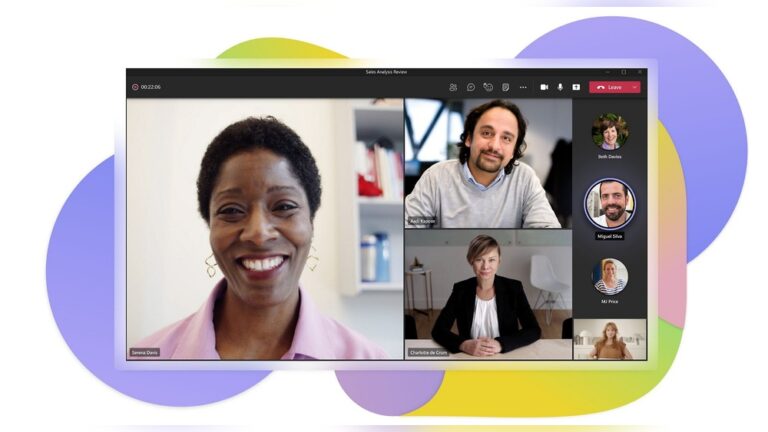
Virtual/Video Interview:
- Keep it slightly shorter (60-75 seconds total)
- Maintain eye contact with the camera
- Use slightly more energy to compensate for screen distance
Panel Interview:
- Acknowledge all panel members with eye contact
- Include elements relevant to different departments
- End by asking if anyone would like you to elaborate on specific areas
Behavioral Interview:
- Include a brief example that demonstrates a key competency
- Use the STAR method within your answer naturally
- End with “That experience taught me…” to show learning
Technical Interview:
- Focus more on technical achievements and skills
- Mention specific technologies or methodologies
- Include a problem-solving example
Practice Techniques That Actually Work
The 90-Second Drill:
- Record yourself answering the question
- Time it (aim for 75-90 seconds)
- Transcribe and analyze: Remove filler words, strengthen verbs, add data
- Repeat until it feels natural, not memorized
The Mirror Test:
Practice while looking in a mirror. Watch for:
- Confident posture
- Natural gestures
- Facial expressions that match your words
- Minimal nervous habits
The Friend Test:
Ask a friend: “After hearing my answer, what three words would you use to describe me?” The words should match your personal brand goals (e.g., strategic, results-driven, collaborative).
Handling Follow-Up Questions
Your answer should naturally lead to deeper discussion. Prepare for these common follow-ups:
“What attracted you to our company?”
Have 2-3 specific reasons ready (culture, mission, recent projects, leadership).
“Why are you looking to leave your current role?”
Frame positively: “I’ve accomplished X and am now seeking Y, which aligns with your company’s focus on Z.”
“Tell me more about [achievement you mentioned].”
Have the full STAR story prepared for any achievement in your answer.
The Mindset Shift: From Answering to Storytelling
In 2026, the most successful candidates don’t just answer questions—they tell compelling stories. Your “Tell me about yourself” response should:
- Have a clear narrative arc: Challenge → Action → Result → Learning
- Show character growth: How experiences shaped your skills and perspective
- Create emotional connection: Share genuine passion for your work
- End with forward momentum: Why this next chapter makes sense
Special Situations
If You Have Employment Gaps:
Address briefly and positively: “After leaving [company], I took time to [skill development, family, travel] which gave me fresh perspective on [relevant insight]. I’m now excited to return with renewed energy and [new skills].”
If You’re Overqualified:
Emphasize alignment over advancement: “While I’ve held senior roles, I’m specifically interested in this position because [specific aspects of the role]. I believe my experience allows me to contribute immediately to [specific projects].”
If You’re Underqualified:
Focus on potential and learning: “While this would be a step up in responsibility, I’ve successfully [relevant achievement] and have been proactively developing [required skills] through [courses/projects]. I’m confident I can grow into this role quickly.”
The 24-Hour Preparation Checklist
Before the interview:
- [ ] Research the company: mission, values, recent news, challenges
- [ ] Analyze the job description: identify top 3 required skills
- [ ] Select 2-3 most relevant achievements
- [ ] Craft your 3-part answer (Present → Past → Future)
- [ ] Practice aloud 5+ times
- [ ] Time yourself (75-90 seconds ideal)
During the interview:
- [ ] Take a breath before starting
- [ ] Smile and make eye contact
- [ ] Speak at a measured pace
- [ ] Watch for engagement cues
- [ ] End with energy and a question transition
Conclusion: Your Professional Story Matters
“Tell me about yourself” is your opportunity to take control of the interview narrative. By following the Present → Past → Future formula, tailoring your answer to the specific role, and practicing until it feels authentic, you transform a simple question into a powerful statement of your value.
Remember: In 2026, interviews are conversations, not interrogations. Your answer sets the tone for a collaborative discussion about how you can contribute to the company’s success. When done well, it doesn’t just answer the question—it makes them excited to hire you.
Need personalized feedback on your interview answer? Schedule a mock interview session with our career coaches.
Related Articles
- How to Prepare for Behavioral Interview Questions: 2026 Strategy
- How to Write a Cover Letter for a Career Change: A Step-by-Step Guide
- Salary Negotiation Strategies: Proven Tips to Maximize Your Pay
- Remote Work Interview Prep: Ace Your Job with Confidence Today
- Which Websites Offer Free Resume-Building and Interview Preparation Resources? Top Picks