
Subscription Career Services 2026: Are They Worth the Investment?
Considering a subscription career service but unsure if it’s worth the monthly fee? In 2026, the right subscription can deliver 300% better career outcomes compared to free alternatives.
This comprehensive analysis examines subscription career services available in 2026, evaluating their value, effectiveness, and return on investment. You’ll discover which services deliver tangible results, which are overpriced, and how to choose the best subscription for your specific career goals.
The Evolution of Career Services in 2026
Subscription career services have transformed significantly. In 2026, top-tier services offer:
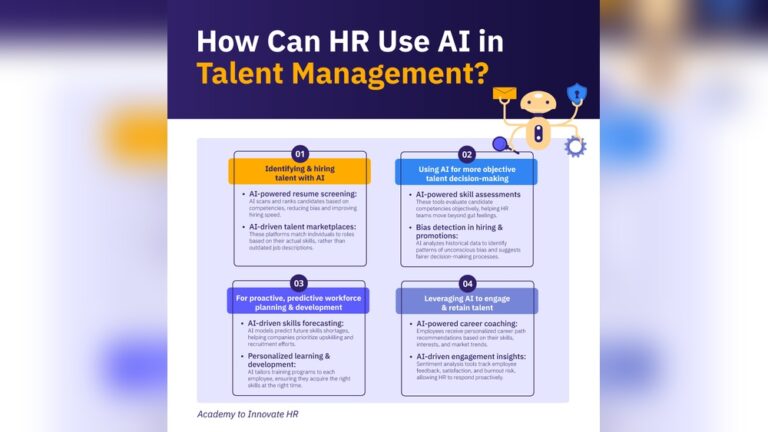
- AI-powered career pathing: Personalized roadmaps based on your skills, experience, and market demand
- Real-time market intelligence: Salary data, hiring trends, and skill demand updated daily
- Virtual career coaching: 24/7 access to AI mentors and human experts
- Guaranteed outcomes: Performance-based pricing and satisfaction guarantees
- Global opportunity matching: Access to international job markets and remote positions
Understanding these advancements helps you select services that provide maximum career impact.
Types of Subscription Career Services in 2026
1. Job Search & Application Platforms
2026 features:
- AI-powered resume optimization with instant feedback
- Automated job application tracking and follow-up
- Personalized job matching based on career goals
- Interview preparation with mock sessions
- Salary negotiation support with market data
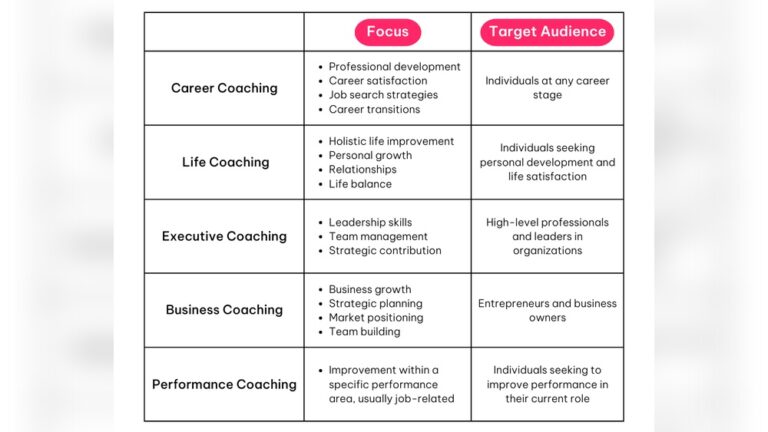
2. Career Coaching & Mentorship
2026 features:
- 1:1 coaching sessions with industry experts
- Career transition planning and execution
- Leadership development programs
- Executive presence and communication training
- Networking strategy and connection building
3. Skill Development & Certification
2026 features:
- Personalized learning paths with progress tracking
- Industry-recognized certification programs
- Hands-on project experience with real companies
- Skill gap analysis and targeted improvement
- Portfolio development and showcase platforms
4. Networking & Community Platforms
2026 features:
- Curated networking events and introductions
- Industry-specific communities and forums
- Mentor matching with senior professionals
- Peer learning groups and accountability partners
- Exclusive job opportunities and referrals
Top 10 Subscription Career Services for 2026
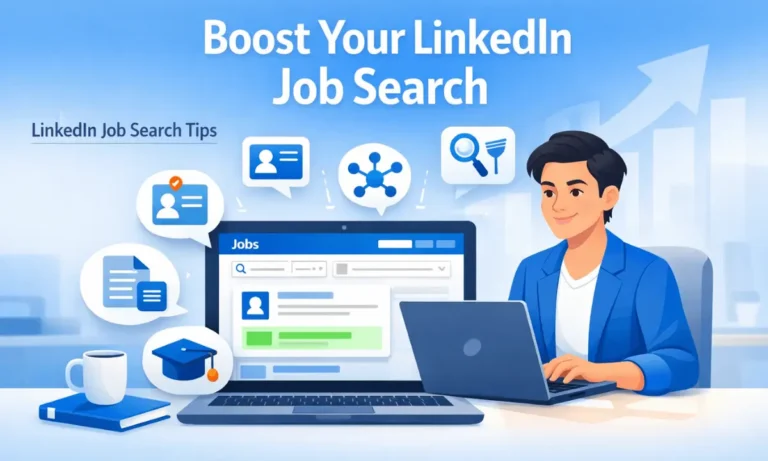
1. LinkedIn Premium Career 2026
Best for: Professional networking and job discovery
2026 Value Proposition:
- Advanced search filters for targeted job hunting
- InMail messages to recruiters and hiring managers
- Salary insights and company research data
- Online learning courses with LinkedIn Learning
- Profile visibility and ranking optimization
Monthly Cost: $39.99-$79.99
ROI Analysis: High for active job seekers, moderate for passive candidates
2. Indeed Premium 2026
Best for: High-volume job applications
2026 Value Proposition:
- Priority application submission
- Resume review and optimization tools
- Interview preparation resources
- Company culture and fit analysis
- Application tracking and analytics
Monthly Cost: $29.99-$59.99
ROI Analysis: Excellent for aggressive job search campaigns
3. Glassdoor Premium 2026
Best for: Company research and salary negotiation
2026 Value Proposition:
- Unlimited access to salary data and company reviews
- Interview question databases with answers
- Company culture and employee satisfaction metrics
- Career path visualization and progression data
- Personalized company recommendations
Monthly Cost: $49.99
ROI Analysis: Essential for informed career decisions and negotiations
4. The Muse Career Coaching 2026
Best for: Career transition and development
2026 Value Proposition:
- Personalized career coaching sessions
- Career change planning and execution
- Resume and LinkedIn profile optimization
- Interview preparation and mock sessions
- Networking strategy development
Monthly Cost: $199-$499
ROI Analysis: High for career changers, moderate for incremental growth
5. Coursera Plus 2026
Best for: Continuous skill development
2026 Value Proposition:
- Unlimited access to 7,000+ courses
- Professional certificates from top universities
- Hands-on projects with industry relevance
- Skill assessments and gap analysis
- Career services and job matching
Monthly Cost: $59
ROI Analysis: Excellent for continuous learners and skill builders
Evaluating Subscription Value: 2026 Metrics
Quantitative ROI Metrics
Measure value using these 2026 metrics:
- Salary increase: Percentage boost after service utilization
- Time to employment: Reduction in job search duration
- Interview conversion rate: Applications to interviews ratio improvement
- Offer rate: Interviews to offers ratio improvement
- Skill acquisition rate: New skills gained per month
- Network growth: Quality connections added monthly
Qualitative Value Metrics
Assess intangible benefits:
- Career clarity: Improved understanding of goals and path
- Confidence boost: Increased self-assurance in job search
- Stress reduction: Decreased anxiety about career progression
- Time savings: Hours saved through automation and efficiency
- Opportunity access: Exclusive opportunities unavailable elsewhere
Cost-Benefit Analysis Framework for 2026
Step 1: Define Career Goals
Align subscription to specific objectives:
- Job search acceleration: Platforms with application automation
- Career transition: Services with coaching and planning
- Skill development: Platforms with learning and certification
- Network expansion: Services with community and events
- Salary improvement: Tools with negotiation support
Step 2: Calculate Potential ROI
Use this 2026 ROI formula:
Potential Salary Increase × Probability of Success ÷ Annual Subscription Cost
Example: $20,000 potential increase × 70% probability ÷ $600 annual cost = 23.3x ROI
Step 3: Consider Time Horizon
2026 subscription strategies:
- Short-term (1-3 months): Intensive job search platforms
- Medium-term (3-12 months): Skill development subscriptions
- Long-term (12+ months): Continuous learning and networking
- Project-based: Specific career transition programs
Common Subscription Pitfalls to Avoid in 2026
Over-Subscription Syndrome
Problem: Paying for multiple overlapping services
2026 Solution:
- Audit current subscriptions quarterly
- Identify duplication and cancel redundant services
- Focus on 1-2 core services that deliver 80% of value
- Use free trials strategically before committing
- Set subscription budget limits
Feature Bloat Without Utilization
Problem: Paying for features you don’t use
2026 Solution:
- Regularly review feature usage statistics
- Downgrade to lower tiers if features unused
- Create utilization checklist for each subscription
- Set reminders to use paid features
- Cancel services with <50% feature utilization
Auto-Renewal Trap
Problem: Forgetting to cancel unused subscriptions
2026 Solution:
- Use subscription management tools
- Set calendar reminders before renewal dates
- Evaluate value before each renewal period
- Consider annual payments for significant discounts
- Use virtual credit cards with spending limits
Free vs Paid Career Services: 2026 Comparison
When Free Services Suffice
Free options work well for:
- Basic job search and application submission
- Initial networking and connection building
- Fundamental skill development through MOOCs
- Career research and information gathering
- Resume and cover letter templates
When Paid Services Deliver Value
Invest in paid services for:
- Personalized career coaching and mentorship
- Advanced job search tools and automation
- Specialized skill certification programs
- Exclusive networking opportunities
- Guaranteed outcomes and performance metrics
Subscription Management Best Practices for 2026
Budget Allocation Strategy
2026 recommended allocation:
- 50% Core services: Primary job search or skill platform
- 30% Specialized services: Coaching, certification, networking
- 15% Experimental services: New tools and technologies
- 5% Community & networking: Events and memberships
Performance Tracking
2026 tracking methods:
- Monthly ROI calculation for each subscription
- Feature utilization rate monitoring
- Career outcome attribution analysis
- Comparative performance benchmarking
- Regular value reassessment cycles
Future Trends: Subscription Career Services 2026-2030
Technology Integration
Emerging trends:
- AI career advisors: 24/7 personalized guidance
- Virtual reality interviews: Immersive practice environments
- Blockchain credentials: Verifiable skill certifications
- Predictive career analytics: Future opportunity forecasting
- Automated negotiation agents: AI-powered salary discussions
Service Model Evolution
Future developments:
- Outcome-based pricing: Pay for results, not access
- Hyper-personalization: Services tailored to individual DNA
- Global mobility platforms: Seamless international career transitions
- Lifelong career partnerships: Continuous support throughout career
- Integrated wellness services: Career and mental health combination
FAQ: Subscription Career Services 2026
Q: What’s the average ROI for career service subscriptions?
A: Average ROI ranges from 5x to 50x depending on service type and utilization. Job search platforms typically deliver 10-20x ROI, while career coaching can yield 30-50x ROI through salary increases and accelerated promotions.
Q: How many subscriptions should I have simultaneously?
A: 1-3 active subscriptions maximum. Focus on complementary services (e.g., job platform + skill development + networking). More than 3 leads to dilution of attention and reduced utilization of each service.
Q: Are annual subscriptions better than monthly?
A: Annual subscriptions offer 20-40% discounts but require longer commitment. Choose monthly for experimental services, annual for proven services you’ll use consistently. Calculate break-even point before committing annually.
Q: How do I know if a subscription is working?
A: Track specific metrics: job applications submitted, interviews secured, skills acquired, network growth, salary changes. If you’re not seeing measurable progress within 2-3 months, reconsider the subscription.
Q: What percentage of income should I spend on career services?
A: 2-5% of annual income is reasonable for career development. For someone earning $60,000, that’s $1,200-$3,000 annually. Adjust based on career stage and goals.
Conclusion: Strategic Subscription Investment in 2026
Subscription career services in 2026 offer sophisticated tools and support for career advancement, but require strategic selection and management to deliver maximum value. By aligning subscriptions with specific career goals, tracking ROI metrics, and avoiding common pitfalls, professionals can accelerate their career growth significantly.
The most successful subscription strategies combine focused investment in high-impact services with disciplined utilization and regular performance evaluation. As career services continue to evolve with AI integration, virtual reality, and personalized support, the potential value of strategic subscriptions continues to increase.
Ready to optimize your career service investments? Start by auditing your current subscriptions, defining clear career objectives, and selecting 1-2 high-impact services that align with your goals. Track your progress meticulously and adjust your subscription portfolio based on measurable outcomes.
Remember: The value of a subscription career service isn’t in the access it provides, but in the results it helps you achieve. Approach subscription investment as a strategic business decision with clear metrics for success and regular evaluation of return on investment.