How Do Career Coaching Services Work: Unlock Your Success Today
Are you feeling stuck or unsure about your next career move? Maybe you want to switch jobs, get a promotion, or simply find more meaning in your work.
Career coaching services might be the key to unlocking your potential and guiding you toward success. But how exactly do these services work? What can you expect when you decide to work with a career coach? You’ll discover how career coaching helps you clarify your goals, build confidence, and take actionable steps to advance your professional life.
Keep reading to learn how a career coach can become your personal guide on the path to your dream career.
Role Of Career Coaches
Career coaches play a vital role in shaping professional paths. They help individuals find clarity and direction in their careers. Through personalized attention, career coaches support clients in making informed decisions.
Their work covers many areas, from skill building to job search strategies. Understanding the role of career coaches reveals how they assist in career success.
Guidance And Support
Career coaches offer clear guidance to explore career options. They listen carefully to personal goals and challenges. Coaches help clients set realistic and achievable career targets.
They provide ongoing support to stay motivated and focused. This support builds confidence to face career changes and challenges.
Skill Development
Career coaches identify skills clients need to improve. They recommend training and learning opportunities. Coaches help clients develop soft skills like communication and leadership. They also focus on technical skills relevant to the chosen field.
This skill development increases job readiness and career growth.
Resume And Interview Advice
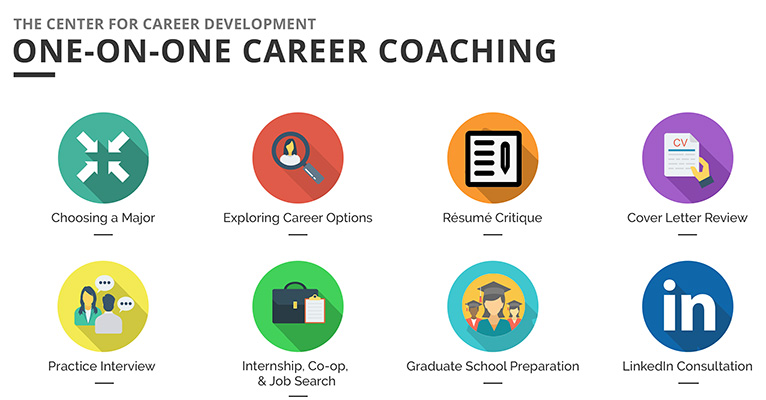
Career coaches review resumes to highlight strengths clearly. They guide on how to tailor resumes for specific jobs. Coaches teach effective interview techniques and preparation. They conduct mock interviews to build confidence. This advice improves chances of landing job offers.

Stages Of Career Coaching
Career coaching follows clear stages to support your professional growth. Each stage builds on the previous one. This structured approach helps you find direction and make confident choices. The process is simple and focused on your needs.
Initial Meeting
The first meeting sets the foundation. You and the coach get to know each other. The coach learns about your background, skills, and goals. Together, you agree on what to work on. This step creates trust and clarity.
Deep Exploration
In this stage, you explore your strengths and interests. The coach asks questions to understand your values and motivations. You may assess your skills and personality. This helps uncover new career possibilities. It gives you a clearer view of your options.
Decision Making
With new insights, you consider possible career paths. The coach helps weigh pros and cons. You set realistic goals based on your findings. This step focuses on choosing the best direction. It prepares you for the next actions.
Preparation For Change
Now, you get ready for your career move. The coach assists with creating a plan. This may include updating your resume or practicing interviews. You also learn how to handle challenges ahead. Preparation builds confidence and skills.
Implementation Of Plans
You begin taking steps toward your career goals. The coach supports your progress and adjusts plans as needed. You track your achievements and overcome obstacles. This stage turns your plans into real results. It keeps you motivated and focused.
Benefits Of Career Coaching
Career coaching offers many benefits that help individuals shape their professional paths. It provides clear guidance and practical support throughout career development. People gain insights that make their career decisions easier and more focused.
Career coaching helps in understanding strengths and areas for improvement. It also boosts motivation and prepares individuals for challenges ahead. This support often leads to better job satisfaction and success.
Clarifying Career Goals
Career coaching helps you define clear and realistic career goals. Coaches ask questions that reveal what truly matters to you. This process creates a roadmap for your future. Clear goals make it easier to plan steps and measure progress.
Navigating Career Transitions
Changing jobs or fields can be confusing and stressful. Career coaches provide tools and advice to manage these changes smoothly. They help you understand options and choose the best path. This guidance reduces uncertainty and increases confidence.
Boosting Confidence
Confidence plays a key role in career growth. Coaching builds self-belief through positive feedback and skill development. You learn how to present yourself well and handle challenges. Greater confidence improves your performance in interviews and at work.
Enhancing Job Search Skills
Effective job search skills increase your chances of success. Career coaches teach how to create strong resumes and cover letters. They also practice interview techniques with you. This preparation helps you stand out to employers and secure better opportunities.
Types Of Career Coaching Services
Career coaching services come in various forms to meet different needs. Each type offers unique ways to support your career growth. Understanding these options helps you choose the best fit for your goals.
One-on-one Coaching
One-on-one coaching provides personalized support. A coach works directly with you to explore career goals. They help identify strengths and areas for improvement.
Sessions focus on your specific challenges and opportunities. This approach allows tailored advice and focused progress.
Group Sessions
Group sessions involve multiple clients working with one coach. These sessions encourage shared learning and support. You can gain new insights from others’ experiences. Group coaching also builds networking opportunities. It is often more affordable than private coaching.
Online Coaching
Online coaching offers flexibility and convenience. Sessions take place via video calls or messaging platforms. This type suits busy schedules or remote locations. Coaches use digital tools to track progress and share resources. Online coaching can be just as effective as in-person meetings.
Specialized Coaching
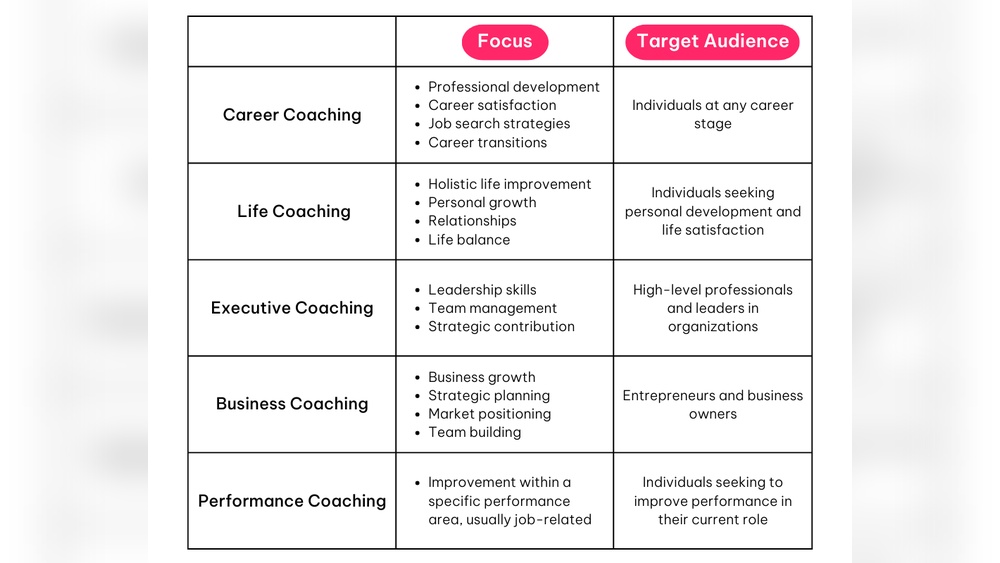
Specialized coaching targets specific career areas or industries. Examples include executive coaching, job search coaching, or interview preparation.
Coaches have deep knowledge of their specialty. This service is ideal for focused guidance in complex career paths. It helps you gain confidence in key professional moments.
Choosing The Right Coach
Choosing the right career coach sets the foundation for your success. The right coach fits your needs and style. This match helps you grow and reach your goals faster. Here are key points to consider when selecting a coach.
Qualifications And Experience
Check the coach’s background carefully. Look for certifications from recognized coaching bodies. Experience in your industry adds real value. A coach with a strong track record guides you better. Ask about their training and past client results.
Coaching Style
Every coach has a unique approach. Some focus on goal setting and strategy. Others emphasize motivation and confidence-building.
Find a style that matches your personality. You should feel comfortable and understood. A good coach listens more than talks.
Cost Considerations
Career coaching prices vary widely. Some coaches charge by the hour, others by package. Compare fees, but avoid choosing only by price. Value comes from results and fits, not cost alone. Consider your budget and expected benefits.
Client Testimonials
Read reviews and success stories from past clients. Honest feedback reveals the coach’s strengths and weaknesses. Testimonials show how the coach helped others like you. Look for detailed examples, not just praise. This insight helps you make a wise choice.
Maximizing Your Coaching Experience
Maximizing your career coaching experience ensures you gain the most value from each session. Your active participation and clear focus help the coach tailor advice to your needs. Success depends on how well you engage and apply the guidance provided.
Setting Clear Goals
Start by defining what you want to achieve with coaching. Clear goals give direction to your sessions. They help both you and the coach measure progress effectively. Focus on specific outcomes like improving interview skills or exploring new career paths.
Being Open And Honest
Share your thoughts and feelings openly with your coach. Honesty builds trust and allows deeper understanding.
It helps uncover hidden challenges and strengths. Do not hold back on your fears or doubts during discussions.
Taking Action
Put your coach’s advice into practice between sessions. Taking small steps moves you closer to your career goals. Action turns ideas into real progress. Without effort, coaching alone cannot create change.
Tracking Progress
Regularly review what you have accomplished so far. Tracking progress shows what works and what needs adjustment. It keeps you motivated and focused on your goals. Use journals or apps to record your achievements and challenges.
Career Coaching Trends
Career coaching is changing fast to meet new work challenges. Trends shape how coaches help clients grow and succeed. These trends improve access, learning, and job satisfaction.
Coaches use new methods and tools to support career growth better. Understanding these trends helps job seekers and professionals benefit more from coaching.
Digital Coaching Platforms
Online platforms let clients meet coaches anytime, anywhere. These tools offer video calls, chat, and resources all in one place. Many platforms use apps for easy access on phones.
Digital coaching is flexible, saving time and travel costs. It helps people in different locations get expert advice. This trend makes coaching more common and convenient.
Integration With Learning Programs
Coaches now work with training programs to boost skills. This link helps clients learn new abilities while planning careers. Learning and coaching together create stronger career paths.
Many companies offer coaching tied to courses and workshops. This approach supports continuous growth and prepares workers for new roles. Clients get tailored plans that match their learning needs.
Focus On Talent Retention
Coaching helps companies keep their best employees longer. It shows workers they are valued and supported. This focus improves morale and reduces turnover.
Career coaches guide employees on growth opportunities within the company. Helping staff see a future at work builds loyalty. Retention-focused coaching benefits both the worker and the business.

Frequently Asked Questions
FAQ:
How Does Career Coaching Work?
Career coaching guides individuals to clarify goals, explore options, and develop strategies. Coaches offer resume, interview, and negotiation support. They empower clients to make informed career decisions and succeed professionally through personalized sessions and practical tools.
What Is the Average Cost for A Career Coach?
average cost for a career coach ranges from $75 to $300 per hour. Packages may reduce overall expenses.
What Are The 3 C’s of Coaching?
3 C’s of coaching are Clarity, Commitment, and Consistency. They help clients set goals, stay motivated, and maintain progress.
What Are The 5 Stages of Career Counselling?
5 stages of career counselling are initiation, exploration, decision-making, preparation, and implementation. Each stage guides clients toward clear career goals and actionable plans.
Career coaching helps you understand your skills and goals clearly. It guides you through job searches, interviews, and career changes. Coaches offer advice that fits your unique needs and challenges. You get support to make confident decisions about your professional path.
Working with a coach can improve your chances of success. The process is simple and focused on your growth. Trust the journey and take steps toward a better career.
Related Articles
- Best Online Platforms for Career Development Courses: Top Picks 2025
- Platforms Offering Personalized Career Path Recommendations: Top Tools Revealed
- How to Find Career Coaching Services near Me: Top Tips Revealed
- Career Development Tools with AI-Powered Skill Assessments: Unlock Success Fast
- Can I Access Professional Mentorship Programs Through Any Digital Platforms? Discover Top Options!