Top-Rated Skill Development Services for Remote Workers: Boost Your Career Fast
Are you ready to take your remote work skills to the next level? Whether you’re just starting or looking to sharpen your expertise, the right skill development services can make all the difference.
In a world where remote work is more than a trend, mastering key abilities like time management, digital communication, and technical tools will boost your confidence and productivity. This guide will introduce you to the top-rated skill development programs designed specifically for remote workers like you.
Keep reading to discover how you can stay ahead, adapt faster, and thrive in your remote career.
Key Skills for Remote Work
Remote work demands a unique set of skills for success. Strong abilities in managing yourself, communicating online, and handling technology matter most. Workers must also adapt quickly and solve problems on their own. Teamwork remains vital, even across digital spaces.
Developing these skills helps remote workers stay productive and connected. Each skill supports different parts of daily work life. Let’s explore key skills every remote worker needs to thrive.
Self-management Techniques
Remote workers rely on self-discipline to manage time and tasks. Setting clear goals and following schedules boosts focus. Avoiding distractions at home helps maintain productivity. Good self-management reduces stress and improves work quality.
Digital Communication Skills
Clear writing and speaking matter in remote work. Video calls, chats, and emails require simple, direct messages. Listening carefully ensures understanding across teams. Strong digital communication builds trust and avoids confusion.
Technical Proficiency
Remote jobs need comfort with computers and software tools. Using collaboration platforms and cloud services is common. Basic troubleshooting skills help fix issues quickly. Learning new tech keeps workers efficient and competitive.
Adaptability And Problem-solving
Remote work often brings unexpected challenges. Being flexible helps workers adjust plans fast. Creative problem-solving finds solutions without direct help. Adapting to change keeps projects moving forward smoothly.
Teamwork In Virtual Settings
Working well with others remains key, even online. Sharing ideas and giving feedback improves results. Respecting different time zones and cultures matters. Virtual teamwork builds a strong, supportive remote community.
Top Skill Development Courses
Top skill development courses are essential for remote workers. They help improve abilities needed for virtual jobs.
These courses cover technical skills, communication, and time management. They prepare workers to meet the demands of remote roles. Choosing the right course boosts confidence and job performance.
Certification Programs For Remote Roles
Certification programs provide proof of skills for remote jobs. They focus on areas like project management, digital marketing, and cloud computing. These programs are short and flexible, fitting busy schedules.
Certifications from recognized institutions increase job opportunities. Employers often prefer candidates with relevant certifications.
Diplomas For Specialized Careers
Diploma courses offer deeper knowledge for specific careers. They cover topics like IT support, graphic design, and data analysis. Diplomas usually take longer than certifications but offer more detail. They help workers specialize in fields with high remote demand. Diplomas can lead to higher pay and better roles.
Popular Online Learning Platforms
Many platforms offer skill development courses for remote workers. Sites like Coursera, Udemy, and LinkedIn Learning provide diverse options.
These platforms allow learning at one’s own pace and convenience. They include video lessons, quizzes, and practical projects. Choosing a trusted platform ensures quality content and certificates.
Certifications That Boost Remote Careers
Certifications play a vital role in enhancing remote work careers. They prove your skills to employers and clients. Certifications open doors to better job roles and higher pay. Remote workers with certifications stand out in competitive job markets.
They show commitment and expertise in specific areas. Choosing the right certification boosts your professional growth and job security.
Cloud Computing And Data Engineering
Cloud computing skills are essential for many remote jobs. Certifications like Google Cloud Professional Data Engineer or AWS Certified Solutions Architect show your ability to manage cloud systems. Data engineering credentials prove you can handle big data and analytics.
These certifications help you work efficiently with cloud platforms and data pipelines. They increase your chances of landing tech roles in remote settings.
Digital Marketing Credentials
Digital marketing certifications enhance your skills in online promotion and analytics. Google Analytics Individual Qualification and Google Digital Marketing Certifications are popular choices. They teach you how to track and improve campaign performance.
These credentials help remote workers handle SEO, social media, and content marketing. Certified marketers have better job opportunities in digital businesses.
Project Management Qualifications
Project management skills are key for remote teamwork and meeting deadlines. The Project Management Professional (PMP) certification is widely respected. It proves you can lead projects, manage risks, and communicate well.
Remote workers with project management credentials often get roles with more responsibility. These qualifications improve your ability to organize work and deliver results on time.
Technical Architect Certifications
Technical architect certifications validate your ability to design IT systems and solutions. Certifications like Google Cloud Professional Cloud Architect highlight your expertise. They show you can plan and build scalable, secure technology environments.
These skills are in demand for remote IT roles. Certified architects gain trust from employers and clients for complex projects.

Trends Shaping Remote Work
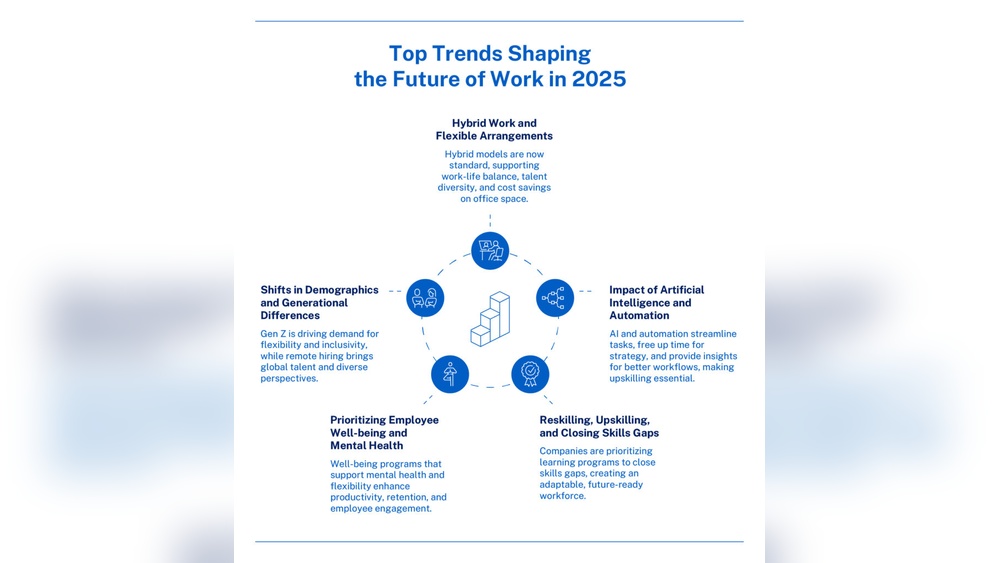
The landscape of remote work is evolving rapidly. New trends shape how employees and employers adapt to this shift. Understanding these changes helps workers develop relevant skills. Employers can better support their remote teams and enhance productivity. Let’s explore key trends shaping remote work today.
Shift Towards Hybrid Models
Many companies now prefer hybrid work models. Employees split time between home and office. This balance offers flexibility and structure. Hybrid models improve work-life balance and team connection.
They require workers to be adaptable and organized. Skill development focuses on managing tasks across different environments.
Impact On Talent Recruitment
Remote work expands hiring beyond local areas. Employers find talent from diverse locations. This increases competition among job seekers.
Flexibility becomes a top priority for candidates. Companies offering remote options attract more applicants. Recruitment strategies now highlight remote work benefits and skills.
Technology’s Role in Collaboration
Technology drives remote collaboration and communication. Tools like video calls and chat apps are essential. These platforms help teams stay connected and productive. Workers must learn to use digital tools effectively.
Training focuses on communication skills and tech proficiency. Smooth collaboration depends on mastering these technologies.
Building Trust And Culture Remotely
Creating trust is harder without face-to-face contact. Companies develop new ways to build culture online.
Regular check-ins and virtual team events help. Clear communication and transparency are vital. Remote workers need skills in self-motivation and teamwork. Strong culture keeps teams engaged and loyal.
Resources For Remote Skill Development
Remote workers need strong skills to stay productive and competitive. Many online resources help build these skills from anywhere. These tools cover a wide range of topics and fit different learning styles and schedules.
Choosing the right platform can boost your career growth and confidence. Focus on resources that offer practical knowledge and real-world applications. Below are some top options for remote skill development.
LinkedIn Learning Collections
LinkedIn Learning offers many courses designed for remote workers. These collections include topics like time management, communication, and digital tools. The videos are short, easy to follow, and updated regularly. You can learn at your own pace and track your progress.
Many courses provide certificates, which add value to your professional profile. The platform also suggests courses based on your job role and interests.
University Online Courses
Many universities provide free or paid online courses. These courses cover a wide range of subjects, from business to technology. They often include video lectures, quizzes, and assignments. Some even offer certificates or credits for completed courses.
These programs help deepen your knowledge and build skills recognized by employers worldwide.
Coding Bootcamps and Workshops
Coding bootcamps offer intensive training in programming and tech skills. These workshops focus on practical projects to build real experience. They usually last a few weeks to months and suit beginners and advanced learners.
Many bootcamps provide career support, including job placement assistance. These programs help remote workers enter or advance in the tech industry.
FAQ:
What Is the Best Skill to Learn for Remote Work?
The best skill for remote work combines strong time management, self-motivation, digital communication, and technical proficiency. Adaptability, problem-solving, and teamwork also boost success in virtual environments.
Which Skill Development Course Is Best?
The best skill development course depends on your career goals. Courses in digital marketing, data analysis, cloud computing, and project management offer strong remote work prospects. Prioritize courses that enhance self-management, communication, and technical skills for remote job success.
Which Certifications Are Good for Remote Jobs?
Certifications like Google Cloud Professional Data Engineer, AWS Solutions Architect, PMP, and Google Digital Marketing boost remote job prospects. They demonstrate technical skills, project management, and digital marketing expertise essential for remote roles.
Is Remote Work Dying In 2026?
Remote work is evolving, not dying, in 2026. Hybrid models grow, blending office and remote flexibility. Companies value outcomes over location.
Choosing the right skill development service boosts remote work success. Focus on time management, clear communication, and tech skills. These improve teamwork and problem-solving in virtual settings. Certifications in digital tools and project management add value. Hybrid work models grow, making adaptability key.
Quality training supports career growth and job stability. Keep learning to stay competitive and confident. Remote work skills open many opportunities worldwide. Investing time in skill building always pays off.
Similar Posts
How Do Skill Development Bootcamps Work and Which Are Most Effective: Ultimate Guide
Thinking about learning new skills fast and getting a better job can feel both exciting and confusing. Skill development bootcamps are designed to help people gain job-ready skills in a short time. These programs focus on practical learning instead of long academic theory, making them popular among career switchers and professionals. Bootcamps promise to deliver…
Where to Find Affordable Skill Development Workshops near Me: Top Picks
Are you looking to boost your skills without breaking the bank? Finding affordable skill development workshops near you can open doors to new opportunities, better jobs, and personal growth. But where do you start? Whether you want to learn a trade, improve your business acumen, or dive into tech, this guide will help you discover…
Skill Development Platforms Offering Free Trial Periods: Top Picks
Are you ready to boost your skills without any upfront cost? Imagine having access to top-notch courses that help you learn new abilities, improve your career prospects, or simply explore your passions-all risk-free. Skill development platforms offering free trial periods give you exactly that chance. They let you dive into their full range of features…
Skill Development Resources for Improving Coding Skills: Ultimate Guide
Ready to take coding skills to the next level, but unsure where to begin? Whether you are a complete beginner or someone trying to sharpen existing skills, using the right learning resources makes a big difference. Coding becomes easier when learning follows a clear and practical path. With the right tools and platforms, you can…
Skill Development Programs with Certification Recognized by Employers: Boost Your Career Fast
Are you ready to boost your career and stand out in a competitive job market? Skill development programs with certifications recognized by employers can open doors you never thought possible. These programs don’t just teach you new skills-they give you proof that employers trust and value your expertise. Imagine having a certification that not only…
Compare Subscription Costs for Popular Skill Development Websites: Ultimate Guide
If you’re looking to boost your skills without breaking the bank, choosing the right online learning platform is key. But with so many popular skill development websites out there, how do you know which subscription offers the best value for your money? This guide breaks down the costs of top platforms so you can make…