LinkedIn Job Search Tips: Proven Strategies to Land Your Dream Job
Looking for a job on LinkedIn can feel overwhelming, but it doesn’t have to be. You might be scrolling through endless listings without knowing which ones truly match your skills or how to stand out to recruiters.
What if you could turn LinkedIn into your personal job-hunting powerhouse? By using smart, proven strategies, you can find the right opportunities faster and grab the attention of hiring managers. Ready to learn simple, actionable tips that will boost your LinkedIn job search and get you closer to your next role?
Keep reading- your future job is waiting.
Optimize Your Profile
Optimizing your LinkedIn profile makes you more visible to employers. It helps highlight your strengths and skills. A well-crafted profile increases your chances of landing interviews. Focus on making each section clear and professional. This section covers key tips to improve your profile effectively.
Craft A Compelling Headline
Your headline is the first thing people see. Use it to show your current role or expertise. Include keywords relevant to the jobs you want. Keep it brief but descriptive. A strong headline grabs attention fast.
Showcase Relevant Skills
List skills that match your career goals. Choose skills that employers often look for. Endorsements from connections add credibility. Keep your skills updated to reflect your latest abilities. Highlight what makes you a strong candidate.
Use A Professional Photo
Use a clear, high-quality photo. Dress professionally and use a simple background. Smile gently to appear friendly and approachable. Avoid casual or distracting images. A good photo builds trust instantly.
Write A Clear Summary
Summarize your experience and goals in simple language. Explain what you do and what you offer employers. Use short sentences and avoid jargon. Make it easy for anyone to understand your strengths. This section tells your story clearly.
Leverage Advanced Search
LinkedIn’s advanced search tools help you find the right job faster. These tools let you narrow down options using specific criteria. You can filter through thousands of listings to focus on the most relevant ones. Using advanced search saves time and improves your chances of finding a good match.
Use Keywords and Filters
Start with keywords related to your skills or job title. Include terms that match the role you want. Use filters like location, experience level, and job type. This narrow results to jobs that fit your profile. It makes your search more precise and effective.
Target Specific Companies
Search for jobs at companies you admire or want to work for. Enter company names in the search bar to see their openings. Follow these companies to get updates on new jobs. This approach helps you focus on places where you want to grow your career.
Save Job Searches
Save your favorite job searches to access them quickly later. This feature lets you avoid starting from scratch each time. Saved searches keep your results organized and easy to revisit. It streamlines your job hunt and keeps you on track.
Set Up Job Alerts
Create alerts to get notified about new jobs matching your criteria. LinkedIn sends these alerts straight to your email or app. Alerts help you act fast before positions fill up. This keeps you informed and ready to apply promptly.
Build A Strong Network
Building a strong network on LinkedIn can open many doors in your job search. A robust network connects you to opportunities you might not find otherwise. It also helps you learn about your industry and get advice from experienced professionals.
Networking is more than just adding connections. It means creating meaningful relationships that can support your career growth. Here are some practical ways to build your LinkedIn network effectively.
Connect With Industry Professionals
Start by adding people who work in your field. Look for professionals with roles similar to your target job. Send personalized connection requests to introduce yourself briefly. Mention shared interests or groups to increase acceptance chances. A strong network of industry contacts can keep you informed about job openings.
Join Relevant Groups
Find LinkedIn groups related to your industry or career goals. Join groups where professionals share job posts and advice. Participate in discussions by asking questions or sharing insights. Active group members often get noticed by recruiters and hiring managers. Groups are a great place to build relationships and learn about trends.
Engage With Content
Regularly like, comment, and share posts from your connections. Meaningful engagement shows your interest and keeps you visible. Share articles or write posts about your skills and experiences. Engaging with content helps you build credibility and trust. It also encourages others to connect or offer help.
Request Informational Interviews
Reach out to professionals for informational interviews to learn about their career paths. Keep your message polite and clear about your purpose.
These chats can give you insider knowledge and advice. They often lead to referrals or job leads. Informational interviews build deeper connections beyond simple networking.
Personalize Applications
Personalizing your job applications on LinkedIn increases your chances of getting noticed. Employers want to see how your skills match their needs. Sending a generic resume or cover letter rarely works. Tailoring each application shows effort and makes you stand out from other candidates.
Take time to adjust your documents for each job. Highlight the experience and skills that fit best. Use language from the job post to connect with the employer. Also, plan your follow-ups carefully to keep your application fresh in their minds.
Tailor Your Resume And Cover Letter
Start by reading the job description closely. Pick out key skills and duties required. Adjust your resume to show you have those skills. Rewrite your cover letter to explain why you fit this role. Keep it clear and focused on the employer’s needs.
Highlight Relevant Experience
Choose past jobs or projects that match the new role. Describe your achievements in those areas. Use numbers or facts to prove your success. Avoid listing unrelated jobs or skills. Keep the focus on what matters most to the employer.
Use Keywords From Job Posts
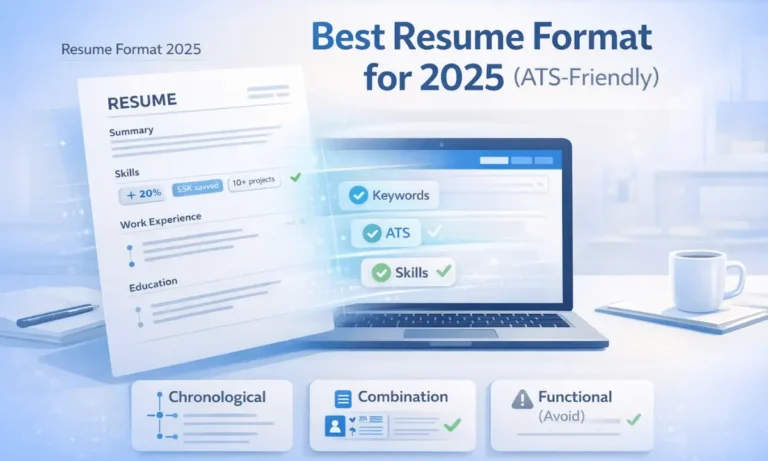
Many companies use software to scan resumes first. These systems look for keywords from the job ad. Include those exact words in your resume and cover letter. This helps your application pass the first check. Use terms that show you understand the role well.
Follow Up Strategically
Send a polite message a few days after applying. Mention your interest in the position again. Ask if they need more information from you. Keep the tone professional and brief. Following up shows you are serious and motivated.
Showcase Your Expertise
Showing your expertise on LinkedIn can open doors to new job opportunities. It helps recruiters see your skills clearly. Your profile becomes a place to prove your value. Use LinkedIn features to display your knowledge and experience. This builds trust and attracts interest from potential employers.
Publish Articles And Posts
Writing articles or posts lets you share your ideas with your network. Choose topics that relate to your field. Explain concepts or trends clearly and simply. Regular posting shows you stay updated and care about your work. It also helps your profile appear more active and engaging.
Share Industry Insights
Sharing news or facts about your industry shows you follow changes closely. Comment on important updates or new tools. This demonstrates your awareness and readiness to adapt. It also invites conversations with others who share your interests. This can expand your professional network.
Request Recommendations
Ask coworkers or managers to write recommendations for you. These reviews show real proof of your skills and work ethic. Make sure they highlight specific strengths or projects. Recommendations add credibility and make your profile stand out. They help recruiters trust your abilities more easily.
Highlight Certifications And Projects
Add certifications that relate to your career goals. These prove your knowledge and commitment to learning. Also, list important projects you completed successfully. Describe your role and the results clearly. This section shows what you can do and how you apply your skills in real situations.
Utilize LinkedIn Tools
LinkedIn offers many tools to help job seekers find the right opportunities. These tools provide useful data and resources to improve your job search. Using LinkedIn’s features can give you a clear advantage in a competitive market.
Try LinkedIn Premium Features
LinkedIn Premium gives access to extra job search options. It shows who viewed your profile and lets you send messages to recruiters. You can see detailed salary insights and get tips on your resume. These features help you stand out and connect better with employers.
Use LinkedIn Learning
LinkedIn Learning offers many courses to build new skills. You can learn about software, management, or communication. Completing courses shows employers you are eager to improve. It makes your profile stronger and more attractive for job offers.
Explore Sales Navigator
Sales Navigator helps find leads and companies in your field. It provides advanced search tools to target specific businesses. You can save leads and get updates on company news. This tool is useful for networking and finding hidden job openings.
Leverage Job Insights
Job Insights provides data about the job market and companies. You can see trends in hiring and skills in demand. This information helps tailor your applications to what employers want. It guides you to focus on the best roles for your experience.
Track And Improve
Tracking and improving your LinkedIn job search efforts helps you stay organized and effective. It allows you to see what works and what needs to change. Keeping a close eye on your progress can increase your chances of landing the right job.
This process involves checking your application status, studying who views your profile, adjusting how you search, and asking for feedback. These actions help refine your approach over time.
Monitor Application Status
Regularly check the status of your job applications on LinkedIn. This helps you know which applications are still active. You can follow up or move on quickly if needed. Staying updated avoids missing important steps in the hiring process.
Analyze Profile Views
Look at who visits your LinkedIn profile. This gives clues about your visibility to recruiters. Note the industries and locations of your viewers. Use this data to tailor your profile and attract relevant employers.
Adjust Search Strategies
Change your job search methods based on results. Try different keywords, locations, or job titles to widen your options. Use LinkedIn filters to narrow down choices. A flexible approach finds better job matches.
Seek Feedback
Ask trusted contacts or mentors to review your profile and applications. Honest feedback points out areas to improve. It can reveal missing skills or unclear information. Use advice to make your profile stronger and more appealing.
FAQ:
How To Efficiently Search for Jobs On LinkedIn?
Tap the Jobs icon, enter keywords or a title in the search bar, and apply filters to narrow results. Review job details carefully before applying. Update your profile to attract recruiters and connect with industry professionals for better opportunities.
What Is The 7 Second Rule in a resume?
7-second rule in resumes means recruiters spend about seven seconds initially scanning a resume to decide its relevance. Make key information clear and concise to capture attention quickly.
How To Improve Job Search Results on LinkedIn?
Optimize your LinkedIn profile with relevant keywords and a professional photo. Use specific job titles and skills in searches. Apply filters to narrow results. Network actively by connecting with industry professionals. Engage with content to increase visibility and tailor applications to each job.
What Are the Three R’s of Job Search?
The three R’s of job search are Reflect, Research, and Relay. Reflect on goals, research opportunities, and relay your skills effectively.
Using LinkedIn smartly can boost your job search success. Update your profile clearly and keep it professional. Connect with people in your field and join groups. Search jobs with specific keywords and use filters. Apply only to jobs that match your skills and goals.
Stay active and check messages often for new leads. Small steps daily can lead to big results. Keep learning and improving your LinkedIn presence. Your next job opportunity might be just a click away.