How Do Skill Development Bootcamps Work and Which Are Most Effective: Ultimate Guide
Thinking about learning new skills fast and getting a better job can feel both exciting and confusing. Skill development bootcamps are designed to help people gain job-ready skills in a short time. These programs focus on practical learning instead of long academic theory, making them popular among career switchers and professionals.
Bootcamps promise to deliver results in weeks or months rather than years. But not all bootcamps work the same way. Understanding how they operate, what makes them effective, and how to choose the right one is essential before enrolling.

Bootcamp Basics
Skill development bootcamps offer focused training in specific fields. Their main goal is to teach practical, in-demand skills quickly.
Many learners choose bootcamps to change careers, upgrade skills, or enter fast-growing industries.
Unlike traditional education, bootcamps emphasize hands-on learning. Students work on real-world projects that reflect actual job tasks. This approach helps learners become job-ready faster.
Structure And Format
Bootcamps follow a clear and well-organized learning structure. Lessons usually mix short lectures with hands-on exercises and group projects. Many programs run online, while others offer in-person or hybrid classes. Regular mentorship sessions and feedback help learners improve skills and correct mistakes early.
Duration And Intensity
Most bootcamps last from a few weeks to several months. They require strong commitment, either full-time or part-time. Daily schedules are fast-paced and demanding. Students spend many hours practicing and studying, which helps build skills quickly but requires discipline and focus.
Target Audience
Bootcamps are designed for beginners, career switchers, and working professionals. They suit people who want practical job skills without spending years on a degree. Fresh graduates, self-taught learners, and professionals seeking better roles often join boot camps. Motivation and consistency are key to success.
Advantages
Skill development bootcamps offer several benefits that attract learners worldwide. These programs focus on speed, practical skills, and career outcomes. Many employers value the hands-on experience bootcamp graduates bring.
Fast Skill Acquisition
Bootcamps focus on teaching only what is needed for real jobs. Learners practice skills daily through projects, assignments, and challenges. This repeated hands-on approach accelerates understanding and builds confidence. The fast pace keeps students engaged and helps them become job-ready quickly.
Career Transition Support
Most bootcamps offer structured career support alongside technical training. This includes resume reviews, mock interviews, portfolio building, and job search guidance. Career mentors help students understand industry expectations. This support makes career transitions smoother and less stressful.
Cost And Time Efficiency
Bootcamps usually cost less than traditional college degrees. They also take far less time to complete. Learners can enter the job market faster without a heavy financial burden. This makes bootcamps a practical option for many people.
Challenges
Skill development bootcamps offer fast learning, but they come with challenges. These obstacles can affect your experience and success. Knowing these challenges helps you prepare better.
Some challenges relate to the physical and mental strain of bootcamps. Others involve the competitive job market. The quality and depth of learning also vary. Each factor influences your outcome.
Physical And Mental Demands
Bootcamps are intense and require long hours of study. Students often face stress from tight deadlines and heavy workloads. This pace can cause burnout or fatigue. Staying focused and motivated becomes difficult over time.
Mental pressure grows as students must quickly grasp complex skills. Managing this stress is crucial to avoid falling behind. Balance between learning and rest is key to success.
Market Competition
Many graduates compete for the same tech jobs after boot camps. The job market has many skilled candidates and few openings. Employers seek experience beyond bootcamp training. This competition demands extra effort to stand out.
Networking, internships, and personal projects help build a stronger profile. Bootcamp alone may not guarantee a job offer. Continuous learning and skill improvement remain necessary.
Depth Of Learning
Bootcamps focus on practical skills but may cover topics superficially. Some complex subjects need more time than bootcamps allow. Students often need additional study after the program ends.
Surface-level knowledge can hurt performance in technical interviews. Deep understanding of concepts improves problem-solving skills. Self-study and practice remain essential parts of learning.
Program Quality Variability
Not all bootcamps offer the same quality of education. Some have outdated curricula or unqualified instructors. This affects how well students learn and apply skills.
Researching program reviews and outcomes helps find trustworthy bootcamps. Choosing a reputable program increases chances of success. Beware of low-quality courses that waste time and money.

Maximizing Success
Maximizing success in skill development bootcamps requires more than just attendance. It demands a clear strategy and active participation.
Understanding how to choose, engage, and follow up on bootcamp experiences can lead to better outcomes. The steps below help learners get the most value and improve their career prospects.
Researching Programs
Start by examining different bootcamp options carefully. Check the curriculum to ensure it matches your career goals. Look for programs with good reviews and strong job placement records. Consider the instructors’ experience and the support services offered.
Compare costs and schedules to fit your needs and budget. This research lays the foundation for a successful learning journey.
Trial And Exploration
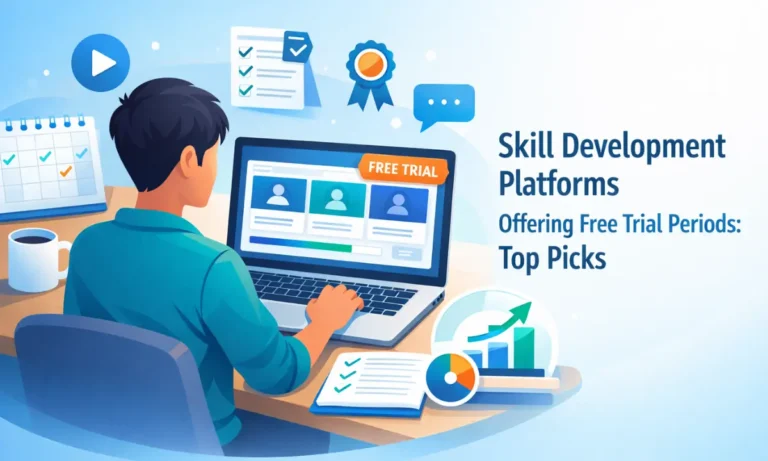
Many bootcamps offer free trial classes or introductory workshops. Use these opportunities to test the teaching style and content. Participate actively and ask questions to gauge how well you understand the material.
Trial periods help avoid committing to a program that may not suit your learning style or objectives. Explore options before deciding to invest time and money.
Post-bootcamp Efforts
Completing a bootcamp is only the beginning. Keep practicing the skills you learned regularly. Build projects to deepen your understanding and showcase your abilities. Join relevant online communities or local groups to network and learn from others.
Seek internships or freelance work to gain real-world experience. Continuous effort after the bootcamp increases your chances of landing a good job.
Goal Setting
Set clear, achievable goals before starting the bootcamp. Define what skills you want to acquire and what type of job you aim for. Break down large goals into smaller tasks with deadlines.
Track your progress and adjust plans as needed. Goal setting keeps you motivated and focused throughout the bootcamp and beyond.
Top Bootcamp Types
Skill development bootcamps come in many types. Each type focuses on a specific field. Choosing the right one depends on your career goals. These bootcamps offer fast, hands-on learning. They help build skills employers want. Below are the most popular bootcamp types.
Coding Bootcamps
Coding bootcamps teach programming languages and software development. Students learn through projects and real-world tasks. These bootcamps cover web development, mobile apps, and backend systems.
They focus on languages like JavaScript, Python, and Ruby. Many bootcamps also prepare students for job interviews. Coding bootcamps suit those wanting to become software developers.
Data Science Bootcamps
Data science bootcamps train students to analyze and interpret data. They teach statistics, machine learning, and data visualization.
Tools like Python, R, and SQL are commonly used. Students work on data projects and case studies. These bootcamps help learners build skills to work as data analysts or data scientists. They are ideal for math and logic lovers.
Design And Ux Bootcamps
Design and UX bootcamps focus on user experience and visual design. Students learn about wireframing, prototyping, and user research. They use tools such as Figma, Sketch, and Adobe XD. These bootcamps teach how to create user-friendly websites and apps. They are perfect for creative people who want to improve digital interfaces.
Business And Marketing Bootcamps
Business and marketing bootcamps teach skills in sales, marketing, and management. Topics include digital marketing, SEO, and business strategy. Students gain knowledge in social media and content marketing.
These bootcamps help learners launch careers in business roles. They fit those interested in marketing or entrepreneurship.

Choosing The Best Bootcamp
Choosing the best skill development bootcamp is a key step for career growth. The right bootcamp provides focused learning and practical skills. Many options exist, but some stand out by how well they prepare students for real jobs. Knowing what to check helps in making a smart choice.
Curriculum Relevance
The curriculum should match current industry needs. It must cover essential skills that employers want. Look for courses updated regularly to include new tools and methods. Projects and exercises should mirror real work scenarios. This keeps learning practical and job-focused.
Instructor Expertise
Instructors must have strong knowledge and real experience. They guide students through complex topics with clear explanations. Experienced teachers can offer valuable tips and career advice. Check if instructors have worked in the field or have teaching credentials. Good teachers boost learning success.
Alumni Success
Past students’ achievements show a bootcamp’s effectiveness. Review alumni stories and job placement rates. High success means the bootcamp prepares students well for the job market. Some bootcamps share testimonials and employer partnerships. This information helps judge program quality.
Support And Resources
Strong support improves the learning experience. Look for mentorship, career coaching, and job search help. Access to study materials, forums, and tech support matters. Some bootcamps offer networking events and interview prep. These resources help students gain confidence and find work faster.
Real-world Outcomes
Real-world outcomes show how skill development bootcamps impact careers. They focus on practical skills that employers want. Success stories prove the value of these programs. Employers share insights on what makes bootcamp graduates stand out. Long-term career growth reflects how skills gained help build a stable future.
Job Placement Stories
Many bootcamp graduates find jobs quickly after finishing. Stories often highlight career changers moving into tech roles. These programs teach hands-on skills through projects and exercises. Graduates report gaining confidence during interviews. Some secure positions at well-known companies. Job placement rates vary but often exceed those of traditional education.
Employer Perspectives
Employers appreciate bootcamp graduates for practical skills and teamwork. They value candidates who solve real problems during training. Many say bootcamp alumni adapt faster than others. Employers look for candidates with updated technical knowledge. Soft skills like communication and time management also matter. Hiring managers often recommend boot camps as a talent source.
Long-term Career Growth
Bootcamp skills build a strong foundation for career growth. Graduates often continue learning after the program ends. They advance to senior roles or specialize in niches. Ongoing practice and networking help maintain progress. Some alumni start their own businesses or freelance. The focus on real skills supports steady professional development.
FAQ:
What Are the Disadvantages of Boot Camp?
Boot camps demand intense effort and can cause mental stress. They offer limited depth and require extra self-study. Quality varies, and job placement isn’t guaranteed.
How Effective Are Bootcamps?
Bootcamps effectively teach practical, job-ready skills quickly, aiding career changes. Success depends on program quality, market demand, and personal effort beyond training. They offer fast learning but require dedication, self-study, and hustle to secure tech jobs.
What Is the Most Reputable Coding Bootcamp?
Most reputable coding bootcamps include General Assembly, Flatiron School, and Le Wagon. They offer practical skills, strong job placement, and industry-relevant curricula. Choose based on reviews, job outcomes, and your career goals to ensure the best fit and success in tech.
What Is the Success Rate of Bootcamp?
Bootcamp success rates vary widely, often between 60-90%, depending on program quality and student effort. Commitment and post-bootcamp learning boost job placement.
Skill development bootcamps offer focused learning in a short time. They teach practical skills that many employers value. Success depends on choosing the right program and personal effort. Bootcamps require dedication and extra work beyond class hours. Not all bootcamps have the same quality or outcomes.
Research programs carefully and check reviews before enrolling. Supplement learning with self-study to deepen your knowledge. With hard work, bootcamps can help start or shift your career. Remember, your commitment shapes your success more than the program alone.