Compare Subscription Costs for Popular Skill Development Websites: Ultimate Guide
If you’re looking to boost your skills without breaking the bank, choosing the right online learning platform is key. But with so many popular skill development websites out there, how do you know which subscription offers the best value for your money?
This guide breaks down the costs of top platforms so you can make a smart choice that fits your budget and learning goals. Keep reading to discover which subscriptions give you the most bang for your buck and help you grow your skills efficiently.
Subscription Models
Subscription models define how users pay for access to skill development websites. These models impact affordability and learning continuity. Understanding them helps you choose the best option for your needs.
Popular platforms offer varied plans, trial periods, and payment methods. Each factor affects the total cost and user experience.
Monthly Vs Annual Plans
Monthly plans offer flexibility with smaller payments each month. They suit learners unsure about long-term commitment. Annual plans require one payment for the whole year. This option usually saves money compared to monthly fees. Annual plans benefit users planning to study extensively. Check if the platform offers discounts for yearly subscriptions.
Free Trials and Discounts
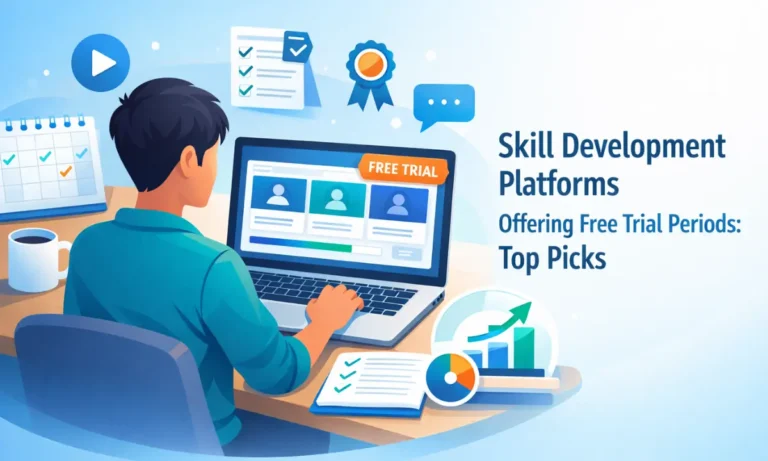
Many websites provide free trials to test courses before paying. Trials typically last from 7 to 30 days. They allow users to explore content risk-free.
Some platforms offer discounts for first-time subscribers. Seasonal sales or student discounts can reduce costs. Always look for promo codes or special offers before subscribing.
Payment Methods
Skill development sites support multiple payment methods. Credit and debit cards are the most common options. Some accept PayPal or other online wallets for convenience. Certain platforms allow payment via bank transfer or mobile wallets.
Verify if your preferred payment method is accepted. This avoids delays in accessing courses after signing up.
Pricing Comparison
Subscription costs vary widely across popular skill development websites. Comparing these fees helps choose the best fit for your budget and learning goals.
Each platform offers different pricing models, course access, and membership perks. Understanding these differences saves money and improves your learning experience.
Coursera
Coursera offers both free and paid courses. The monthly subscription starts at $59. This fee grants access to most courses and certificates. Some specializations may cost more. Coursera also offers financial aid for eligible learners.
Udemy
Udemy sells courses individually, not by subscription. Prices range from $10 to $200 per course. Frequent sales and discounts lower costs significantly. Once purchased, courses are accessible forever. No monthly fees apply.
Skillshare
Skillshare charges $32 per month or $168 yearly. The subscription gives unlimited access to all classes. A free trial period is available. This platform focuses on creative and practical skills. Membership also includes offline viewing.
Pluralsight
Pluralsight offers a monthly plan at $29 and an annual plan at $299. It targets tech and IT professionals. The subscription includes skill assessments and learning paths. Premium plans add certification practice exams and projects.
Thinkific
Thinkific allows course creators to set prices. Learners pay per course or subscription if offered. Basic plans start at $49 per month for creators. Students usually buy courses individually. Pricing varies widely by course and instructor.
Simplilearn
Simplilearn charges $499 to $2,999 for professional certification courses. Payment plans and discounts may be available. Some courses provide lifetime access. It focuses on career-oriented skills and certifications. The platform includes instructor-led training and practice tests.
Course Variety
Course variety is a key factor when choosing a skill development platform. A wide range of topics helps learners find courses that fit their needs. Popular websites offer diverse subjects across different fields. This section breaks down course variety into four main categories to help you compare options effectively.
Technology And It
Technology courses cover programming, data science, and cybersecurity. Websites offer beginner to advanced levels.
Topics like web development and cloud computing are common. Many platforms update courses frequently to match industry trends. This variety suits both novices and professionals wanting to enhance skills.
Business And Management
Business courses include marketing, finance, and project management. Learners can explore leadership and entrepreneurship topics. The courses often focus on practical skills for workplace success. Many platforms provide case studies and real-world examples. This category supports career growth in various industries.
Creative Skills
Creative courses range from graphic design to photography and writing. Platforms offer tutorials for different software and techniques. Many classes encourage hands-on projects for skill practice. This variety attracts hobbyists and those pursuing creative careers. The courses often combine theory with practical exercises.
Personal Development
Personal development courses focus on communication, time management, and mindfulness. These classes help improve soft skills and self-awareness. Learners find topics on stress management and goal setting. The courses support overall well-being and productivity. They are suitable for personal growth and professional life.
Certification Options
Certification options vary across popular skill development websites. They affect the value and recognition of your learning. Some sites offer professional certificates, while others provide accredited courses. Each type serves different career goals and budgets. Understanding these options helps you choose the best platform for your needs.
Professional Certificates
Professional certificates show you have completed specific skill training. Many platforms provide these after finishing courses or specializations. They focus on practical knowledge and skills employers seek. These certificates often cost less than full degrees. They help learners prove skills quickly and boost their resumes.
Accredited Courses
Accredited courses come from institutions recognized by educational authorities. These courses meet strict quality standards and often offer college credit. They tend to be more expensive than regular certificates.
Accredited courses add stronger credibility to your learning. They suit learners aiming for formal education or career advancement.
Industry Recognition
Some certifications have strong industry recognition worldwide. These certificates come from partnerships with top companies or professional bodies. They increase your chances of getting hired or promoted.
Platforms offering industry-recognized certificates may charge higher fees. These certifications align with current job market demands and skills.
User Experience
User experience plays a vital role in choosing the right skill development website. It affects how easily learners navigate and engage with the platform. A smooth experience keeps users motivated and helps them complete courses faster.
Subscription costs matter, but user experience impacts the value gained. Websites with intuitive design, mobile access, and strong support offer better learning journeys. Let’s explore these key aspects in detail.
Platform Interface
The platform interface should be clear and easy to use. Simple menus and logical layouts help users find courses quickly. Popular websites often provide clean dashboards and progress tracking. Cluttered or confusing interfaces lead to frustration and drop-offs. A good interface saves time and improves learning focus.
Mobile Accessibility
Mobile accessibility allows learning anytime, anywhere. Many skill development sites offer dedicated apps or mobile-friendly versions. This flexibility suits busy users who study on the go.
Fast loading and responsive design enhance the mobile experience. Without mobile access, users may miss chances to practice skills daily.
Community And Support
Community features connect learners with peers and instructors. Forums, chat groups, and Q&A sections encourage interaction and knowledge sharing. Timely support helps resolve technical or content issues quickly. Platforms with active communities boost motivation and deepen understanding. Reliable customer support adds confidence during the learning process.

Value For Money
Choosing the right skill development platform depends on the value you get for your money. Subscription costs vary, but the value is more than the price. It includes the quality of learning, how often courses are updated, and extra benefits. This section breaks down these factors.
Content Quality
High-quality content makes learning effective and enjoyable. Platforms with clear videos and expert instructors provide a better understanding. Check if courses cover topics deeply and offer practical examples. Quality content saves time and improves skill gains.
Course Updates
Updated courses reflect the latest industry trends and tools. Platforms that refresh content regularly keep your knowledge current. Old or outdated courses may teach wrong or less useful skills. Frequent updates show the platform’s commitment to learners.
Additional Perks
Extra features add value beyond lessons. Some sites offer certificates, community access, or career support. Others provide downloadable resources or mobile apps for learning on the go. These perks enhance the overall learning experience and usefulness of the subscription.
Best Platforms By User Type
Choosing the right skill development platform depends on your goals and experience level. Different users need different features and pricing options. Understanding the best platforms by user type helps you find the best fit. This guide breaks down the top platforms for beginners, professionals, and students.
Beginners And Hobbyists
Beginners benefit from platforms with simple lessons and low costs. Websites like Skillshare and Udemy offer affordable monthly plans. They provide easy-to-follow courses in creative and technical skills. These platforms allow users to explore interests without a big commitment. Most have free trials or low-cost subscriptions under $20 per month.
Professionals And Career Changers
Professionals need in-depth courses with certification options. Platforms like Coursera and LinkedIn Learning offer career-focused content. Subscription costs range from $30 to $60 monthly. Many provide industry-recognized certificates and hands-on projects.
These features help users enhance resumes and job prospects. Monthly plans often include access to thousands of courses.
Students And Educators
Students and educators seek platforms with academic resources and discounts. Khan Academy and edX serve this group well. Many offer free courses or special pricing for schools. These platforms cover subjects from math to computer science.
Educators can use their tools for classroom teaching and assignments. Subscriptions or access options are flexible and budget-friendly.
FAQ:
Which Is the Best Online Learning Platform Subscription?
Best online learning platform subscription depends on your goals. Popular options include Coursera, Udemy, Skillshare, and LinkedIn Learning. Choose based on course variety, pricing, and certification value to match your skill development needs.
Which Is the Best Upskilling Platform?
Up Grad ranks as the best upskilling platform, offering industry-relevant programs with expert guidance. It suits professionals and talent developers aiming to enhance skills effectively.
What Is Cheaper Than Coursera?
Platforms like Udemy, Skillshare, and Codecademy often offer cheaper courses than Coursera. They provide affordable subscriptions and frequent discounts.
Which App Is Best for Skill Development?
Udemy, Coursera, and Skillshare rank among the best apps for skill development. They offer diverse, expert-led courses.
Choosing the right skill development website depends on your budget and learning needs. Subscription costs vary widely across popular platforms. Some offer monthly plans, while others provide yearly discounts. Think about course variety and platform features too. Free trials can help you test before buying.
Comparing prices helps you find a plan that fits your budget. Invest in learning wisely to gain valuable skills without overspending. Keep your goals clear and pick a service that suits you best.