Career Transition Guide: How to Successfully Change Industries in 2026
Changing careers is no longer a rare occurrence—it’s becoming the norm. In 2026, the average professional will change careers 3-5 times in their lifetime. Whether you’re feeling stagnant, seeking better opportunities, or pursuing a passion, this guide provides a strategic framework for successfully transitioning between industries.
The 2026 Career Transition Landscape
What’s different about career changes today:
- Skills-based hiring: Transferable skills matter more than industry experience
- Remote work: Geographic and industry barriers have diminished
- Micro-credentials: Short courses and certifications validate new skills quickly
- Career pivot programs: Structured programs from companies and governments
- AI career matching: Algorithms identify transferable skills and suitable roles
Step 1: Self-Assessment & Research
Identify Your Transferable Skills
Technical skills: Data analysis, project management, digital literacy
Soft skills: Communication, leadership, problem-solving, adaptability
Industry-specific: What skills from your current industry apply elsewhere?
Research Target Industries
Growth industries for 2026:
- Renewable Energy & Sustainability: 40% projected growth
- Healthcare Technology: Digital health, telemedicine, health analytics
- Artificial Intelligence & Machine Learning: Across all sectors
- Cybersecurity: Critical infrastructure protection
- E-commerce & Digital Marketing: Continued online shift
Conduct Informational Interviews
Questions to ask:
- “What does a typical day look like in this role?”
- “What skills are most valuable in this industry?”
- “How did you transition into this field?”
- “What certifications or training would you recommend?”
Step 2: Skill Gap Analysis & Development
Identify Missing Skills
Method: Compare your skills with 5-10 job descriptions in target industry
Tools: LinkedIn Skills Insights, job board analytics, career assessment tests
Output: List of 3-5 critical skills to develop
Skill Development Pathways
1. Online Courses & Certifications
Platforms: Coursera, edX, Udacity, LinkedIn Learning
Strategy: Complete 1-2 high-value certifications in 3-6 months
Example: Google Data Analytics Certificate (6 months, $39/month)
2. Bootcamps & Intensive Programs
Duration: 3-6 months full-time or 6-12 months part-time
Cost: $5,000-$20,000 (often with income share agreements)
Outcome: Job-ready skills and portfolio projects
3. Volunteer Work & Side Projects
Non-profits: Offer your skills to build experience
Freelance: Take small projects in target industry
Personal projects: Build portfolio pieces demonstrating new skills
Step 3: Strategic Networking
Build Your Target Industry Network
LinkedIn strategy:
- Follow 20+ companies in target industry
- Connect with 5 professionals weekly with personalized messages
- Join and participate in industry-specific groups
- Share content related to target industry
Attend Industry Events
Virtual conferences: Often free or low-cost
Local meetups: Industry-specific networking events
Webinars: Company-hosted events showcasing their work
Find a Mentor
Where to look:
- Professional associations
- Alumni networks
- Formal mentorship programs
- LinkedIn connections who’ve made similar transitions
Step 4: Resume & Portfolio Transformation
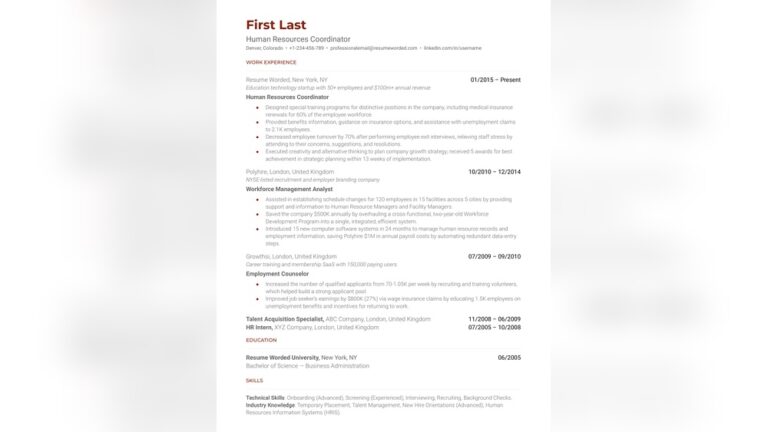
Skills-Based Resume Format
Structure:
- Professional summary: Focus on transferable skills and target role
- Skills section: Group by relevance to target industry
- Professional experience: Frame past roles through transferable skills lens
- Projects & certifications: Highlight newly acquired skills
- Education: Include recent relevant coursework
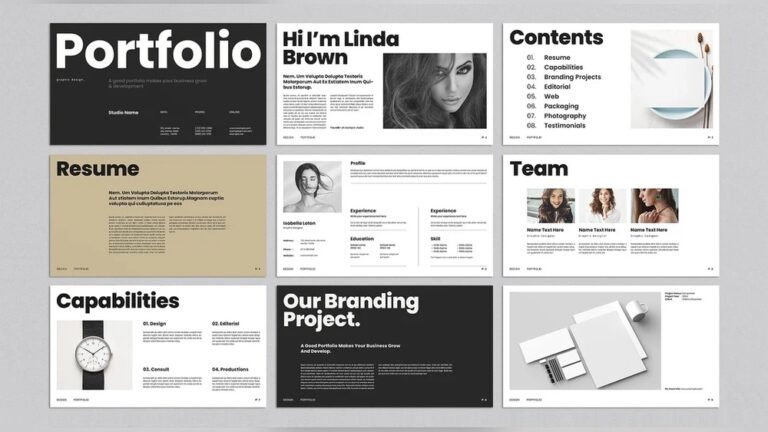
Portfolio Development
Essential elements:
- 3-5 projects demonstrating new skills
- Case studies showing problem-solving approach
- Testimonials from volunteer work or freelance clients
- Certifications and completed courses
Step 5: Job Search Strategy
Target the Right Roles
Entry points for career changers:
- Lateral moves: Similar responsibility level, different industry
- Step-back roles: Lower title to enter industry, with growth potential
- Apprenticeships: Paid training programs for career changers
- Contract roles: Project-based work to prove yourself
Customize Your Application
For each application:
- Research the company thoroughly
- Identify 2-3 transferable skills they need
- Write cover letter explaining your transition story
- Tailor resume to highlight relevant experience
Address the Career Change in Interviews
Sample answers:
- “My experience in [current industry] taught me [transferable skill], which directly applies to this role because…”
- “I’ve proactively developed skills in [new area] through [certifications/projects] because…”
- “What excites me about transitioning to this industry is…”
Common Transition Pathways
From Teaching to Corporate Training
Transferable skills: Curriculum design, presentation, assessment
Target roles: Learning & Development Specialist, Corporate Trainer, Instructional Designer
Certifications: ATD (Association for Talent Development) credentials
From Retail to Customer Success
Transferable skills: Customer service, problem-solving, relationship building
Target roles: Customer Success Manager, Account Manager, Support Specialist
Certifications: Customer Success Management courses
From Hospitality to Project Management
Transferable skills: Multitasking, team coordination, event planning
Target roles: Project Coordinator, Operations Manager, Event Planner
Certifications: PMP (Project Management Professional), CAPM
From Military to Civilian Careers
Transferable skills: Leadership, logistics, crisis management, teamwork
Target roles: Operations Manager, Logistics Coordinator, Security Analyst
Resources: Hiring Our Heroes, Military Transition Programs
Financial Planning for Career Transition
Budget for Transition Period
Typical timeline: 6-12 months for full transition
Costs to consider:
- Education/training expenses
- Potential income reduction
- Networking/event costs
- Career coaching (optional)
Income Strategies During Transition
Options:
- Part-time in current role: Reduce hours to free up time for training
- Freelance work: Use existing skills while building new ones
- Side hustle: Generate income from hobbies or skills
- Savings: Build 6-12 month emergency fund before starting
Overcoming Common Challenges
Ageism Concerns
Strategies:
- Emphasize recent training and adaptability
- Focus on results and experience, not years
- Network with professionals of all ages
- Consider industries with older average workforce
Imposter Syndrome
Counter strategies:
- Document your learning journey and achievements
- Find a support group of fellow career changers
- Focus on value you bring, not credentials you lack
- Remember that everyone starts somewhere
Family & Social Pressure
Communication tips:
- Share your research and plan
- Highlight long-term benefits
- Set clear timelines and milestones
- Involve family in the decision-making process
Success Stories
Case Study: Accountant to UX Designer
“After 8 years in accounting, I felt unfulfilled. I spent 6 months completing a UX design bootcamp while working part-time. I built a portfolio with 3 projects, networked with designers on LinkedIn, and landed a junior UX role at a fintech company. My accounting background actually helped—I understand financial users’ needs better than designers without that experience.” – Sarah, 34
Case Study: Journalist to Content Marketer
“The journalism industry was shrinking, so I transitioned to content marketing. I took SEO and digital marketing courses, started a blog to practice, and leveraged my writing skills. Within 9 months, I landed a Content Strategist role at a tech company making 40% more than my journalism salary.” – Michael, 42
6-Month Career Transition Timeline
Months 1-2: Exploration & Planning
- Research target industries
- Conduct informational interviews
- Identify skill gaps
- Create transition plan
Months 3-4: Skill Development
- Complete key certifications
- Build portfolio projects
- Expand network in target industry
- Update resume and LinkedIn
Months 5-6: Job Search & Transition
- Apply for targeted roles
- Practice interview responses
- Secure new position
- Plan onboarding strategy
Conclusion
Career transitions in 2026 are more accessible than ever, thanks to online learning, remote work, and skills-based hiring. By following a strategic approach—assessing your transferable skills, developing missing competencies, building a targeted network, and crafting a compelling narrative—you can successfully navigate a career change.
Remember: Your diverse background is an asset, not a liability. The unique perspective you bring from your previous industry can be your competitive advantage in your new career.
Ready to start your career transition? Download our career transition workbook with worksheets, timelines, and resource lists.