Entry Level IT Jobs That Require No Experience: Your 2026 Guide
Breaking into IT without prior experience is not only possible in 2026—it’s increasingly common. The technology sector faces a massive talent shortage, with companies willing to train motivated beginners for specific roles. This guide covers the best entry-level IT positions that genuinely require no experience, along with the certifications, skills, and strategies to land them.
The 2026 IT Landscape: Why No-Experience Roles Exist
Several factors make 2026 an ideal time to start an IT career from scratch:
- Skill gap crisis: 3.5 million cybersecurity jobs alone remain unfilled globally
- Automation of entry-level tasks: Basic troubleshooting is automated, creating demand for higher-level support
- Apprenticeship programs: Government and corporate initiatives fund training for new IT professionals
- Remote work expansion: Companies can hire and train talent globally
Top 8 Entry-Level IT Jobs That Require No Experience
1. IT Support Specialist / Help Desk Technician
Typical salary range: $40,000 – $55,000
What you’ll do: Answer user questions, troubleshoot basic hardware/software issues, reset passwords, document solutions
Why no experience needed: Companies provide structured training on their specific systems and ticketing software
Certifications that help:
– CompTIA A+ (the gold standard for entry-level IT)
– Google IT Support Professional Certificate
– Microsoft 365 Fundamentals
Skills to highlight: Customer service, problem-solving, patience, clear communication
2. Data Center Technician
Typical salary range: $45,000 – $60,000
What you’ll do: Monitor server health, replace hardware components, manage cabling, maintain cooling systems
Why no experience needed: Physical tasks are teachable; companies need reliable personnel for 24/7 operations
Certifications that help:
– CompTIA Server+
– Data Center Physical Infrastructure (DCPI)
– OSHA safety certification
Skills to highlight: Attention to detail, physical stamina, ability to follow procedures, basic hardware knowledge
3. Junior Network Operations Center (NOC) Technician
Typical salary range: $48,000 – $62,000
What you’ll do: Monitor network alerts, escalate issues to senior engineers, document incidents, perform basic network checks
Why no experience needed: Monitoring tools have intuitive interfaces; companies train on specific alert systems
Certifications that help:
– CompTIA Network+
– Cisco Certified Technician (CCT)
– Juniper Networks Certified Associate (JNCIA)
Skills to highlight: Analytical thinking, ability to work under pressure, basic understanding of networking concepts
4. IT Asset Management Coordinator
Typical salary range: $42,000 – $58,000
What you’ll do: Track company hardware/software inventory, process new equipment requests, manage disposal/recycling
Why no experience needed: Organizational skills matter more than technical expertise; tools are easy to learn
Certifications that help:
– Certified Asset Management Professional (CAMP)
– ITIL Foundation
– Microsoft Excel certification
Skills to highlight: Organization, attention to detail, spreadsheet proficiency, process orientation
5. Quality Assurance (QA) Tester
Typical salary range: $45,000 – $65,000
What you’ll do: Test software for bugs, document issues, verify fixes, create test cases
Why no experience needed: Methodical thinking is valued; companies provide training on testing frameworks
Certifications that help:
– ISTQB Foundation Level
– Certified Software Tester (CSTE)
– Agile testing certifications
Skills to highlight: Attention to detail, patience, systematic approach, documentation skills
6. Technical Support Representative (SaaS Companies)
Typical salary range: $50,000 – $70,000
What you’ll do: Support customers using specific software, troubleshoot account issues, escalate technical problems
Why no experience needed: SaaS companies invest heavily in product training; they hire for communication skills
Certifications that help:
– Product-specific certifications (Salesforce, HubSpot, etc.)
– Customer Service certifications
– Zendesk or Freshdesk administration
Skills to highlight: Empathy, clear communication, problem-solving, ability to learn software quickly
7. Cybersecurity Analyst (Trainee Programs)
Typical salary range: $55,000 – $75,000 (after training)
What you’ll do: Monitor security alerts, analyze threats, follow incident response procedures
Why no experience needed: Major companies and government agencies run paid cybersecurity apprenticeship programs
Certifications that help:
– CompTIA Security+
– Google Cybersecurity Professional Certificate
– Certified Ethical Hacker (CEH) – entry level
Skills to highlight: Analytical mindset, curiosity, ethical judgment, attention to patterns
8. Cloud Support Associate
Typical salary range: $60,000 – $80,000
What you’ll do: Support customers using AWS/Azure/Google Cloud, troubleshoot basic cloud services
Why no experience needed: Cloud providers hire and train extensively; they look for learning ability over experience
Certifications that help:
– AWS Cloud Practitioner
– Microsoft Azure Fundamentals
– Google Cloud Digital Leader
Skills to highlight: Quick learning, customer focus, basic understanding of cloud concepts
The 90-Day Preparation Plan: From Zero to Hired
Month 1: Foundation Building
- Complete free courses: Google IT Support (Coursera), CS50 (Harvard), Network Chuck YouTube series
- Set up a home lab: Virtual machines, old router for networking practice
- Choose one certification path based on target role
Month 2: Skill Development
- Study for and pass entry-level certification (CompTIA A+ or equivalent)
- Build practical projects: Create a troubleshooting guide, document home network setup
- Start contributing to tech forums (Stack Overflow, Reddit r/ITCareerQuestions)
Month 3: Job Search Execution
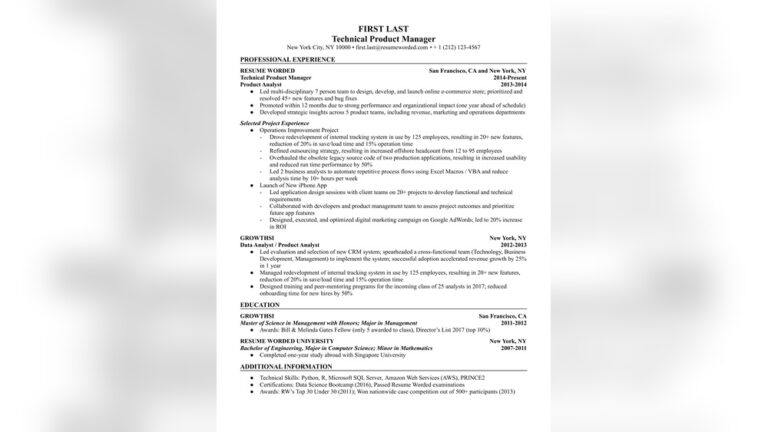
- Create IT-focused resume highlighting certifications and projects
- Apply to apprenticeship programs and entry-level positions
- Practice technical interview questions (Glassdoor, InterviewBit)
Certifications vs. Experience: The 2026 Balance
Priority certifications for no-experience candidates:
- CompTIA A+: Still the most recognized entry-level credential
- Google IT Support Certificate: Includes hands-on labs and job placement support
- Microsoft 365 Fundamentals: Shows cloud office suite knowledge
- AWS Cloud Practitioner: For cloud-focused roles
- CompTIA Security+: For cybersecurity apprenticeship programs
Important: Certifications alone won’t get you hired. You need to demonstrate:
- Practical application (home lab projects)
- Problem-solving ability (troubleshooting scenarios)
- Learning mindset (documented self-study)
Where to Find These Jobs
Apprenticeship Programs:
- IBM Apprenticeship Program
- Microsoft Leap
- Amazon Technical Academy
- Google Career Certificates Hiring Consortium
- Year Up (non-profit bridging opportunity gap)
Job Boards for Entry-Level IT:
- EntryLevel.io
- Forage (virtual work experiences)
- Handshake (college career networks)
- LinkedIn (filter by “entry level” and “no experience required”)
Government Programs:
- Apprenticeship.gov (US Department of Labor)
- CyberCorps: Scholarship for Service
- State workforce development programs
Resume Tips for No-Experience Candidates
Instead of “Work Experience”:
- Technical Projects Section: “Built home network with VLAN segmentation”
- Certifications Section: List with completion dates
- Skills Matrix: Rate yourself honestly (Beginner/Intermediate/Advanced)
- Learning Journey: Document courses completed and skills acquired
Sample bullet points:
- “Completed Google IT Support Professional Certificate with 95% average across 5 courses”
- “Configured virtual home lab with Windows Server and Ubuntu Linux for practice”
- “Resolved 50+ technical questions on Stack Overflow, earning 500+ reputation points”
Interview Strategies
Common Questions and How to Answer:
“Why IT with no experience?”
Good answer: “I’ve always enjoyed solving technical problems, and after completing [certification], I confirmed this is the career path for me. I’m a quick learner and excited about the structured training programs you offer.”
“What do you do when you don’t know the answer?”
Good answer: “I follow a systematic approach: document the issue, search knowledge bases, attempt logical troubleshooting steps, and escalate with clear documentation when appropriate.”
Technical scenario questions: They’re testing your thought process, not specific knowledge. Talk through your reasoning aloud.
The Career Progression Path
Year 1: Entry-level role + 1-2 more certifications
Year 2: Specialize (networking, security, cloud) + intermediate certification
Year 3: Move to engineering or administration role
Year 5: Senior specialist or management track
Common Pitfalls to Avoid
- Applying for mid-level roles: Stick to “entry level,” “junior,” “trainee,” or “apprentice” positions
- Overstating skills: Be honest about your level; companies appreciate self-awareness
- Ignoring soft skills: Communication and customer service matter more than technical knowledge in many entry roles
- Giving up after rejections: The average entry-level IT applicant sends 50+ applications
Success Story: From Retail to IT in 4 Months
“I worked at a grocery store for 5 years with no tech background. I spent 2 months completing the Google IT Support certificate, built a home lab with an old PC, and applied to 75 positions. I got 3 interviews and accepted a Help Desk role at $48,000. After 18 months and getting my Network+ certification, I’m now a NOC Technician making $65,000.” – Jason, 28
Conclusion
The IT industry’s talent shortage has created unprecedented opportunities for career changers and beginners. By strategically choosing the right entry point, obtaining targeted certifications, and demonstrating a genuine learning mindset, you can launch a successful IT career in 2026—even with zero experience.
Ready to start your IT career? Download our free 90-day IT career launch plan with daily tasks and resource recommendations.