Affordable Gadgets That Help Monitor Daily Screen Time and Breaks: Top Picks
Are you finding it hard to keep track of how much time you spend staring at screens every day? You’re not alone.
Too much screen time can lead to eye strain, headaches, and even reduce your productivity. But what if there were affordable gadgets designed just for you that make monitoring your daily screen time and reminding you to take breaks easy and stress-free?
You’ll discover simple, budget-friendly tools that help you stay aware of your screen habits and encourage healthy breaks. Keep reading to find out how these gadgets can transform your daily routine and protect your well-being without breaking the bank.
-In-Use-Reviewer-Photo-(no-border)-SOURCE-Julian-Chokkattu.jpg)
Screen Time Challenges
Screen time challenges affect many people every day. Spending too much time on devices can cause problems. These problems impact health, focus, and daily routines.
Understanding these challenges helps in managing screen time better. Using affordable gadgets can support healthy habits and breaks.
Impact On Health
Excessive screen time harms both body and mind. Eyes can become tired and dry after long use. Poor posture from device use causes neck and back pain. Sleep quality often decreases due to blue light exposure. Mental health may suffer with increased anxiety and stress. Taking regular breaks can reduce these health risks.
Common Causes
Many factors lead to too much screen time. Work or school demands require long hours on devices. Social media and entertainment apps keep users engaged for hours. Lack of awareness about time spent makes it easy to lose track. Easy access to devices also encourages constant use. Setting limits and using monitoring tools can help control usage.
Signs Of Excessive Use
Look for signs that screen time is too high. Feeling tired or having headaches after device use is common. Difficulty focusing on tasks away from screens can occur. Missing out on real-life activities or social events is a warning sign. Sleep problems or mood changes may also appear. Recognizing these signs early helps in making changes.
Affordable Gadgets Overview
Affordable gadgets that monitor daily screen time and breaks help users stay balanced. They track usage and remind to take breaks. These tools suit people wanting to reduce screen addiction without spending much. The market offers many budget-friendly devices that fit different needs and lifestyles.
Budget-friendly Options
Many affordable gadgets cost under $50. Basic screen time trackers and timers fall into this range. Simple models include wearable bands and clip-on devices. These options provide clear data without complex features. They suit students, parents, or anyone wanting easy monitoring. Some smart plugs also control screen time by cutting power.
Types Of Devices
Wearables like fitness bands track screen use and alert users. Clip-on gadgets attach to phones or tablets and log usage. Timer boxes lock devices for set periods to force breaks. Smart plugs and power strips can limit device charging times. Apps combined with simple gadgets give detailed reports. These types cover many needs, from passive tracking to active control.
Key Features To Look For
Look for easy setup and user-friendly interfaces. Real-time tracking helps users adjust habits quickly. Alerts for taking breaks prevent long, harmful screen sessions. Data syncing with smartphones or computers is useful. Battery life matters for wearable devices. Parental controls benefit families managing kids’ screen time. Durable build and compact size improve daily use.
Wearable Monitors
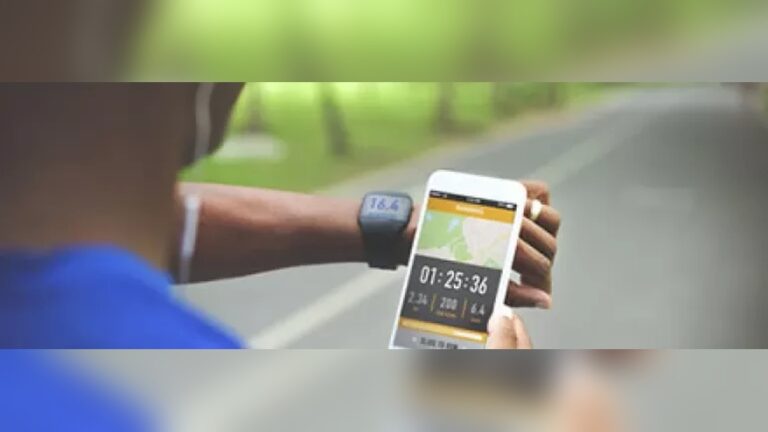
Wearable monitors offer a hands-on way to keep track of daily screen time and remind users to take breaks. These devices are worn on the wrist, making them easy to access throughout the day. They help users stay aware of their device use without needing to check their phone or computer constantly.
Many wearable monitors combine screen tracking with health and fitness features. This dual function supports both digital wellness and physical activity. Affordable options are available, making these gadgets accessible to a wide range of users.
Smartwatches With Screen Tracking
Smartwatches often include built-in screen time tracking features. They show how long you spend on apps and provide daily or weekly reports. Some models allow you to set screen time goals and alerts to encourage breaks. They sync with your smartphone for detailed insights.
These watches also offer other tools such as notifications, fitness tracking, and sleep monitoring. This makes them versatile gadgets for overall health management. Prices vary, but there are budget-friendly smartwatches with good screen tracking functions.
Fitness Bands With Break Reminders
Fitness bands focus more on activity tracking but often include reminders to move or take breaks. These gentle alerts help prevent long periods of screen use without rest. The bands are lightweight and have long battery life, ideal for daily wear.
They usually track steps, heart rate, and sleep quality alongside break reminders. This helps users maintain a balanced routine between screen time and physical activity. Many affordable fitness bands offer these features without high costs.
Pros And Cons
Wearable monitors provide constant screen time awareness and easy break reminders. They encourage healthier habits through timely alerts and data tracking. Smartwatches add extra features but can be pricier. Fitness bands are more affordable but may have limited screen tracking.
Some users find constant notifications distracting. Battery life varies depending on the device and usage. Comfort and style differ, so choosing the right device matters. Overall, wearable monitors support better screen time management with simple technology.
Desktop And Mobile Accessories
Desktop and mobile accessories can help manage your screen time effectively. These gadgets remind you to take breaks and avoid long hours in front of screens. Affordable tools make it easier to track and control your daily screen habits.
Screen Time Lockboxes
Screen time lockboxes are small boxes that hold your phone or tablet. You set a timer, and the box stays locked until time runs out. This stops you from using your device too much. It works well for kids and adults who want to focus more.
Monitor Stands With Timers
Monitor stands with built-in timers help you track how long you use your computer. Some models beep or flash when it’s time to take a break. They keep your screen at a good height and remind you to rest your eyes regularly.
App-integrated Devices
App-integrated devices connect with your phone or computer apps to monitor screen time. These gadgets sync data and give real-time alerts to take breaks. They help you follow healthy screen habits without extra effort.
Popular Screen Time Apps
Popular screen time apps help users track and control device usage easily. These apps offer insights into daily habits and encourage healthier digital routines. They provide tools to set limits and remind users to take breaks. Many options fit various needs and budgets. Understanding these apps can help you choose the right one for your lifestyle.
Cross-device Trackers
Cross-device trackers monitor screen time across multiple gadgets. They sync data from phones, tablets, and computers. This gives a complete view of your digital activity. Popular apps like RescueTime and Qustodio offer this feature. Users can see which devices take most of their time. This helps identify where to cut back effectively.
Focus And Break Reminder Apps
Focus apps block distractions and encourage regular breaks. They use timers to separate work and rest periods. Apps like Forest and Focus Booster make breaks easy to follow. These tools improve productivity and reduce eye strain. Break reminders help users avoid long, unhealthy screen sessions.
Free Vs Paid Apps
Free screen time apps offer basic tracking and limits. They suit casual users who want simple features. Paid apps provide advanced reports, parental controls, and cross-device support. Subscriptions often include detailed insights and customization. Choosing between free or paid depends on your needs and budget. Both types can help improve screen habits.
Combining Gadgets and Apps
Combining gadgets and apps creates a smart way to monitor screen time. Gadgets track usage physically, while apps provide detailed data and reminders. Together, they form a balanced system that encourages healthy habits. This combination supports better focus and regular breaks without overwhelming the user.
Creating Effective Routines
Start by setting daily schedules using both gadgets and apps. Use reminders from apps to signal break times clearly. Gadgets can alert with gentle vibrations or lights. Consistent routines help the brain adapt to screen limits easily. Over time, this builds a natural habit of taking breaks.
Setting Realistic Goals
Set achievable screen time targets based on your daily needs. Apps allow customization of limits for different activities. Gadgets help enforce these limits with physical signals. Small, clear goals reduce frustration and increase success. Adjust goals gradually as habits improve.
Tracking Progress
Use apps to view detailed reports of daily screen usage. Gadgets provide real-time feedback during the day. Together, they offer a full picture of your habits. Tracking progress motivates you to stay on track. Celebrate small wins to maintain positive behavior.
Tips For Reducing Screen Time
Reducing screen time improves focus and overall well-being. Simple habits help create balance between digital use and real life. Small changes can make a big difference in daily routines.
Below are practical tips to cut down screen use and encourage healthy breaks.
Establishing Screen-free Zones
Designate certain areas in your home as screen-free zones. Bedrooms and dining rooms work well. This encourages more face-to-face interaction and better sleep. Avoid bringing phones or tablets into these spaces. This habit reduces unconscious screen checking and helps relax the mind.
Using Grayscale Mode
Switch your device display to grayscale. Removing colors makes screens less attractive. This simple trick lowers the urge to scroll endlessly. Grayscale mode helps break the habit of constant phone use. It also reduces eye strain during long screen sessions.
Scheduling Breaks
Set timers to remind yourself to take breaks. Short breaks every hour improve focus and reduce fatigue. Use affordable gadgets or apps that alert you when it’s time to step away. Stretch, walk, or rest your eyes during breaks. This habit supports better productivity and health.

Family-friendly Solutions
Family-friendly solutions offer practical ways to monitor screen time for all ages. These tools help parents and children balance digital use. They promote healthy breaks and reduce screen fatigue. Affordable gadgets and apps make it easy to manage daily habits.
Choosing the right solution depends on your family’s needs. Some focus on control, others on encouraging good habits. Combining different methods creates a supportive environment for healthy screen use.
Parental Controls
Parental controls let adults set limits on device use. These tools block certain apps or websites at chosen times. They help prevent excessive screen time and unsafe content. Many devices have built-in controls that are easy to activate. Parents can monitor usage and adjust settings as needed.
Kid-friendly Devices
Kid-friendly devices come with features designed for children. These gadgets often include timers and simple interfaces. They encourage kids to take regular breaks and manage their own screen time. Some devices limit access to only educational or age-appropriate content. They create a safe space for kids to explore digital worlds.
Encouraging Healthy Habits
Encouraging healthy habits is key to long-term screen balance. Some gadgets remind users to stand up or rest their eyes. Others reward breaks with positive feedback or fun sounds. Setting a daily screen time goal motivates the whole family. These tools support mindfulness and reduce digital stress.
Where To Buy Affordable Gadgets
Finding affordable gadgets to monitor daily screen time and encourage breaks is easier than ever. Various places offer budget-friendly options that suit your needs. Knowing where to buy helps you save money and get the right device quickly.
Online Retailers
Online stores have a wide selection of screen time gadgets. Websites like Amazon and eBay offer customer reviews and ratings. You can compare many products without leaving home. Free shipping deals often make online buying cheaper. Look for deals during sales events for extra savings.
Local Stores
Local electronics shops and big retail chains sell screen time monitors. Visiting a store lets you see and test devices before buying. Staff can explain features and help you choose. Some stores offer price matching or discounts. Supporting local businesses helps your community.
Price Comparisons
Comparing prices is key to finding the best deal. Use price comparison websites to check multiple sellers at once. Pay attention to warranty and return policies too. Sometimes a slightly higher price means better service. Track prices over time to buy when they drop.

Frequently Asked Questions
What Is The 3 6 9 12 Rule for Screen Time?
The 3 6 9 12 rule limits screen use by age: no screens before 3, no consoles before 6, no internet with supervision before 9, and no solo internet before 12.
How Can You Manage and Reduce Daily Screen Time?
Track and set daily screen time goals. Schedule specific times for social media and emails. Use apps or gadgets to limit usage. Choose mindful content. Take regular breaks away from screens.
How Can I Monitor Screen Time Usage?
Open your device’s settings and access Digital Wellbeing or Screen Time. Review usage charts and app details. Use apps or gadgets to set limits and reminders. Regularly check reports to track and manage your screen time effectively.
Are Screen Time Apps Worth the Cost?
Screen time apps help track and limit usage effectively. They work best combined with clear rules and open communication.
FAQ:
What Is The 3 6 9 12 Rule for Screen Time?
The 3 6 9 12 rule limits screen use by age: no screens before 3, no consoles before 6, no internet with supervision before 9, and no solo internet before 12.
How Can You Manage and Reduce Daily Screen Time?
Track and set daily screen time goals. Schedule specific times for social media and emails. Use apps or gadgets to limit usage. Choose mindful content. Take regular breaks away from screens.
How Can I Monitor Screen Time Usage?
Open your device’s settings and access Digital Wellbeing or Screen Time. Review usage charts and app details. Use apps or gadgets to set limits and reminders. Regularly check reports to track and manage your screen time effectively.
Are Screen Time Apps Worth the Cost?
Screen time apps help track and limit usage effectively. They work best combined with clear rules and open communication.
Conclusion
Affordable gadgets make tracking screen time simple and effective. They remind users to take regular breaks. Consistent use helps create healthier digital habits. These tools fit any budget and lifestyle. Staying aware of screen use improves focus and well-being. Small changes lead to big benefits over time.
Choose a gadget that suits your daily needs. Start today to balance screen time and breaks better.
sekolah tinggi ilmu kesehatan ukpm
kebidanan mitra sejahtera jakarta
akademi analis kesehatan muhammadiyah surabaya
akademi kesehatan lingkungan sumsel
akademi kebidanan arta kabanjahe
akademi kebidanan nusantara medan
akademi kebidanan delhus delmed
akper harapan mama deli serdang
akademi kebidanan bunga bangsa aceh
https://ejournal.akbidbungabangsaaceh.ac.id/
guiadenoivos.saojosedojardimeuropa.com.br
beyond.globalpranichealing.com/about/
ejournal.akbidbungabangsaaceh.ac.id